Why perimenopause and menopause can change your skin, and how to care for it with more understanding, not more products.
what have you noticed has changed about your skin?
Perhaps it’s drier, more sensitive, less firm or not responding to the products that once worked beautifully. Maybe you’re experiencing breakouts in places you haven’t seen them for years, increased redness, pigmentation or a feeling that your skin has simply lost its comfort and resilience.
You’re not imagining it.
During perimenopause and menopause, hormonal changes can influence the structure, function and behaviour of our skin. And while we cannot stop the natural ageing process, understanding what is happening can help us make more considered choices about how we care for it.
At Sole Revival, we believe healthy skin isn’t about chasing youth or trying to reverse every change. It’s about understanding your skin, treating it with respect and supporting it according to what it genuinely needs.
What is happening beneath the surface?
Oestrogen plays an important role in maintaining skin health. It influences collagen production, hydration, elasticity, skin thickness and aspects of barrier function.
As oestrogen levels fluctuate and decline during the menopause transition, several changes may become more noticeable.
1. Reduced collagen and firmness
Collagen provides structural support to the skin. Changes in oestrogen are associated with a decline in collagen, which can contribute to reduced firmness, elasticity and skin thickness.
You may notice that your skin feels less resilient, fine lines appear more pronounced or facial contours seem different.
This isn’t simply a matter of needing a stronger skincare product. It reflects changes occurring within the skin itself.
2. Dryness and dehydration
Menopausal skin may become drier, tighter or less comfortable.
Changes in skin lipids and barrier function can affect how well the skin retains moisture. This may leave it feeling rough, tight or more prone to irritation.
It’s worth remembering that dryness and dehydration are not exactly the same thing. Dryness relates to a lack of oil, while dehydration refers to reduced water content. Skin can experience both.
3. Increased sensitivity
Products you’ve used for years may suddenly feel uncomfortable.
Your skin may react more readily to exfoliants, fragrances, retinoids or other active ingredients. Redness, stinging and irritation can become more noticeable, particularly if the skin barrier is already compromised.
This is where doing more can sometimes make matters worse.
A routine that once suited your skin may now need adjusting.
4. Breakouts in midlife
Menopause doesn’t necessarily mean the end of hormonal breakouts.
Some women experience acne around the chin, jawline or lower face during perimenopause and beyond. Hormonal changes can influence oil production and the balance between different hormones.
The important thing is not to treat mature, potentially dry or sensitive skin as though it were teenage skin.
Harsh cleansers and excessive exfoliation can leave the skin uncomfortable and irritated.
Persistent or sudden acne in midlife deserves appropriate assessment, particularly if it is accompanied by other hormonal changes.
5. Pigmentation and uneven skin tone
Hormonal changes can influence pigmentation, while cumulative sun exposure continues to play a significant role in visible skin ageing.
Melasma and other pigmentation concerns can be complex, and not every brown spot is simply pigmentation from ageing.
New, changing or unusual spots should always be assessed by your GP or dermatologist rather than treated as a cosmetic concern.
Does this mean we need an entirely new skincare routine?
Not necessarily.
It means we may need to reassess the routine we already have.
The temptation is often to buy more products, introduce stronger actives or try to address every concern at once.
But when skin becomes more reactive or compromised, the first step may be to simplify.
Start with the skin barrier
A healthy skin barrier helps maintain hydration and protect against irritation.
A thoughtful routine may include:
A gentle cleanser that doesn’t leave the skin feeling tight.
Moisturisers selected to support hydration and barrier function.
Ingredients such as ceramides, hyaluronic acid and other well-formulated moisturising ingredients, chosen according to individual needs.
Daily broad-spectrum SPF 50+ protection.
Carefully introduced active ingredients, rather than several new products at once.
Ingredients such as retinoids, vitamin C and exfoliating acids may still have a place in mature skin routines. However, suitability, concentration, frequency and tolerance matter.
More active ingredients do not automatically mean better skin.
If your skin is uncomfortable, irritated or increasingly reactive, it may be time to reassess rather than intensify your routine.
Can professional skin treatments help?
Professional treatments can form part of a considered approach to menopausal skin, but there is no single treatment that suits every woman.
The right choice depends on your skin’s condition, sensitivity, history, concerns and goals.
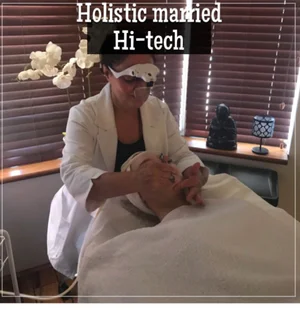
At Sole Revival, we begin by assessing the skin rather than selecting a treatment from a menu and hoping it will be suitable.
Depending on the individual, professional skincare, LED, radio frequency, Dermapen4 skin needling or other advanced treatments may be considered.
Not every treatment is appropriate for every skin, and timing matters.
If your skin barrier is compromised, the priority may be restoring comfort and resilience before introducing more intensive treatments.
This is why a personalised assessment matters.
Your skin is changing. Your care can change with it.
Menopause is a significant transition, but it doesn’t mean your skin has reached its limit.
It may need a different balance of hydration, protection, nourishment and professional support. It may respond differently than it did ten years ago. And it may require a little more patience.
The goal isn’t to recreate the skin you had at 25.
It’s to support the skin you have now, so it can look and feel as healthy as possible.
At Sole Revival, we believe in treating with purpose, educating with honesty and respecting the skin.
Because good skincare should never be about doing everything.
It should be about understanding what matters.
Menopausal skin may need less aggressive exfoliation, more barrier support, consistent SPF and carefully chosen active ingredients. When skin becomes dry, sensitive or unpredictable, don’t automatically add more products. Reassess what your skin needs now, because the routine that worked before may no longer be the right one.
Healthy skin. Natural ageing.
If you’re experiencing persistent irritation, unexplained skin changes, new or changing lesions, or significant acne, seek advice from your GP or dermatologist. Skin treatments and skincare are not substitutes for medical assessment.
Sole Revival Skin & Body Clinic
Winthrop, Perth
The Art of Beauty
Treat with purpose. Educate with honesty. Respect the skin.