Reflexology and children
Reflexology is a safe, natural and effective way to ease stress and aid relaxation for all the family. It can help to improve wellbeing and improve sleep patterns in children of all ages, it is particularly effective at helping to soothe stress and anxiety in children, who tend to respond even more quickly to their treatments than older clients do.
If you are thinking about bringing your child for a reflexology appointment, I would recommend a 30 minute Foot Reflexology treatment for Primary school aged children, and a 60 minute treatment for senior school aged children. Teens in particular tend to benefit from Facial Reflexology, which can help with skin breakouts as I include a mini-facial within the treatment.
Facial Reflexology also immediately engages the parasympathetic nervous system which allows stressed-out teens to slip into a very deep, almost hypnotic state of relaxation. Reflexology is a perfect way to alleviate pre GCSE and A Level stress... leading to a calmer family environment for everyone to enjoy.
How to minimise skin aging
Some aspects of ageing are inevitable. There's no way to stop time and its effects.
But there are plenty of skincare products claiming to slow those effects down.
There is evidence supporting some common anti-ageing ingredients.
So what do we know about the array of skincare potions on the market?
Not all wrinkles are inevitable
When we talk about anti-ageing, we're talking about combating wrinkles, and sagging, thinning and discolouration of the skin.
"As time goes by, there are things you can control and things you can't control,"
There is an aspect of skin ageing that's unavoidable, governed by your genetics.
Then there are external factors like UV exposure, smoking and diet that can influence how, and how fast, your skin ages.
"There's also some evidence that pollution can contribute to [skin ageing],
To make things more complicated, different factors interact. Your genetics can determine how susceptible you are to something like UV exposure, for example.
The same goes for wrinkles and a loss of firmness. These things happen naturally because of changes to the extracellular matrix — a network of proteins like collagen and elastin that gives the skin its structure.
Over time, the collagen and elastin within the matrix degrade. We naturally make less of these as we get older, but sun exposure makes matters worse.
The rate at which our skin cells turn over — when old cells die and new cells are born — also drops dramatically as we age.
So the goal of anti-ageing skincare is to slow down all the loss of the important stuff, while speeding up the rejuvenating process of cell turnover.
The main players in anti-ageing
Depending on your skin type, retinoids are often seen as a first-line of defence.
There are different variations, at different concentrations, but they're all natural or synthetic derivatives of vitamin A.
Retinoids have been shown to protect against collagen degradation and thicken the top layer of the skin.
They can also disperse melanin more evenly in the skin, reducing the appearance of dark spots.
But retinoids can make you more sensitive to sun damage. So, without proper protection, this could negate your anti-ageing attempts, that's why it's important to pair these products with sunscreen, and start using the retinoid at a lower concentration.
"You often have to start slowly and let your skin have that gradual exposure." One of the best products to start with is Retinoic oil.
It’s often recommend pairing a retinoid with another product: like hyaluronic acid.
Hyaluronic acid is already abundant in the skin, keeping it moisturised and flexible, but we produce less as we age.
Topical forms of hyaluronic acid can plump up the skin, because they contain shorter chains of molecules that are able to penetrate the top layer of skin.
The molecules not only fill space, but attract a large amount of water to keep the skin hydrated.
Much like hyaluronic acid, vitamin C is a substance our skin already draws on. It promotes wound healing and protects against oxidative stress.
In topical form, vitamin C has been shown to protect against harmful UV rays, reduce the appearance of wrinkles and dark spots, and fight acne with its anti-inflammatory properties.
However, finding a topical vitamin C formulation that maintains its efficacy is a challenge.
Vitamin C is an unstable molecule. It can quickly degrade when exposed to heat, sunlight and even oxygen.
And the most commonly used form of vitamin C, L-ascorbic acid, needs a specific pH to even be absorbed.
In Australia the over-the-counter skincare industry only has to test for safety, not efficacy.
Prevention is better than cure
Even when these products are effective, there's only so much you can do about the natural processes of ageing, but we do have control over some of the external factors that deepen wrinkles, increase dark spots and thin the skin — like UV.
"Protective measures such as using sunscreen daily, wearing sun-protective clothing and avoiding smoking make a significant difference to how our skin ages.
So when should you start using skin care products?
Dermatologists have raised concerns that some children are latching onto expensive, anti-ageing products that can do more harm than good. I would agree with that statement.
While some teenagers use retinol to treat acne, using it for the sole purpose of anti-ageing at a young age is not recommended.
Generally people start incorporating anti-ageing products when the signs of ageing become visible, and this can be in your late 20s to 30s.
Personally, I wouldn't bother too much with anti aging products or serums when you're younger, sunscreen is the most important thing to be using. Used daily this will have a far more beneficial effect on your skin in the long term.
I would also caution people not to assume that expensive products will be the most effective. It really is about the quality of the ingredients that matter.
Chemical peels, microdermabrasion, laser: Does our skin really need these treatments?
We know that looking after our skin is important.
But just as you begin to make sense of what active ingredients in skincare products mean, or why retinol is considered the gold standard of anti-ageing, skin treatments and therapies enter the picture.
"its technology married with cosmeceuticals," explains head therapist Jules O’Driscoll at Sole Revival Skin & Body Clinic.
"Healthy skin is the best way to combat ageing, and a combination of therapies is often best."
So, how do you decide which treatment, or therapy, to try?
First, it can be helpful to think of any treatments as complementing what you're already doing at home.
Then, consider what your specific skin concerns are, and visit a good well qualified skin therapist or in more severe cases I would consider it wise to visit a dermatologist if you have specific things you want to target, like hyperpigmentation.
"Because there is little to no regulation in the industry, you need to do your research … and look at the quality of the equipment and the experience of the provider," Jules says.
"You also want to think about whether you can commit to a series of treatments and maintaining those results over time."
To get you started, we're going to take a look at some of the more common skin treatments you're likely to come across.
Chemical peels
A chemical peel involves applying various strains of chemicals to the face in a higher concentration to encourage exfoliation, through a superficial, medium or deep peel.
The majority of peels are superficial peels, painted on the face like a mask to regenerate your skin before being washed off.
Chemical peels are used to treat common signs of ageing like fine lines and wrinkles, as well as pigmentation and sun damage.
"They usually consist of fruit acids, including glycolic acid, citric acid and lactic acid,"
"For acne, you might want to use salicylic acid. Clients with sensitive skin, you want to use something called mandelic acid.
"For something like fine lines and wrinkles, go with lactic acid or glycolic acid."
Superficial peels are often called lunchtime peels — they can be carried out in the lunchtime period at a salon, and have little to no downtime.
"The recovery's immediate," unlike some deep peels, which can cause redness and flaking in your skin in the days following treatment.
"[Peels done by a dermatologist] reach 10 to 20 times deeper than the superficial peels, and most of the time they have to be done under partial sedation," he says.
"[Superficial] peels are great in the sense that the vast majority [of people] don't need medium to deep, but the flip side is that because the deep and medium peels work so well, people think all chemical peels are equal."
Your therapist or dermatologist will help you decide which level of peel is best suited for your skin, and advise you of all the risks and downtimes.
And as for whether chemical peels are a good idea to administer at home, the answer is a firm no.
"There are certain treatments that are safe at home, and effective — chemical peels are not one of them,".
Microdermabrasion
Microdermabrasion is a skin treatment performed without the use of chemicals, but by using a diamond-tipped operator or suction device to remove the outermost layer of the skin, which is called the stratum corneum.
This process removes dead skin cells, and increases turnover of new skin cells.
"It is a good treatment to improve dull skin and pigmentation, but it needs to be repeated every three to four weeks, because this is the turnover of cells,".
Unlike a chemical peel, there is no downtime with microdermabrasion. However, the results are not long lasting.
"It's a good instant pick-up, but the longevity isn't there," .
"It's like a polishing treatment for your car – it buffs really well, but after a week, the car gets dirty. After a month, you accumulate more dead skin cells. It's a superficial improvement."
But just because the results are superficial, doesn't mean the treatment isn't worthwhile.
"When you look at treatments, it's not always the end results that count — sometimes the feel-good factor counts too,".
"Basically, it's just a really nice, relaxing, luxurious treatment, with a very good feel-good factor. Your skin feels good afterwards."
If you do want to see changes in your skin, chemical peels or superficial laser treatments are a better investment.
Laser treatments
There are many kinds of laser treatments available, designed to treat a range of skin concerns by beaming focused light onto the skin to repair and regenerate.
"They should all be viewed as tools in a toolbox to treat certain conditions,".
"A laser is best used for a particular problem.
For example, red lasers, or vascular lasers, are used to treat broken capillaries and facial redness.
"It stimulates a whole lot of growth factors, healing properties, collagen, [and] gets everything revved up."
.With so much variety, it's unsurprising laser therapies are one of the most popular treatments around.
But their success is dependent on pre-existing physical traits like hair and skin colour — for some people, laser procedures can have little impact.
So how do you decide which laser is best — if at all?
First, be clear about your skin goals, and ask lots of questions.
"My advice would be, if your skin is normal and if you're just looking for a little bit of pampering, a salon is a great place to start,"
"If you have skin concerns like acne, eczema, rosacea, hyperpigmentation, you're best placed to get advice from a health care provider or dermatologist.
"Diagnosis is really important — there are over 49 causes of pigmentation of the face, and each can have different treatments including lasers, so get the right diagnosis first."
Unfortunately the regulations around who can and cannot administer laser treatments differ from state to state, or don't exist at all.
An incorrectly performed laser session could result in blistering or burns to the skin, pigment changes and scarring, and eye protection must be worn.
The government's Australian Radiation Protection and Nuclear Safety Agency suggests looking for any training or qualification certificates and, if applicable, licences, when choosing your provider.
"At the end of the day, it's the training of the laser operator that's most important,".
"Book by reputation — if [your skin concerns] are more complex, a dermatologist will be able to help. But if you want a quick fix, or have less complex problems, they can be sorted out by a licensed therapist."
LED light therapy
Another kind of light-based treatment is LED light therapy.
LED blue light and LED red light therapies are non-invasive treatments that try to work at a cellular level to improve certain conditions.
The clincher here is "certain conditions" — LED lights can be effective, but only when used for specific reasons, and not necessarily in the form of those masks you see celebrities sporting on social media.
"There is quite a bit of literature that reports blue LED light can reduce acne when used as an additional treatment,".
"There is definitely evidence that blue LED works as an anti-inflammatory treatment. It can be effective for wound healing.
LED light therapies are popular because they're quick and non-invasive, but there are definitely differences" between at-home and in-clinic ones, both in terms of their power and because they are best used when paired with other treatments.
"Their true potential lies with treating sun-damaged skin when used with skin medicine, or with acne treatments as an adjunct," she says.
People at risk of hyperpigmentation and people with skin of colour should "exercise caution", as LED therapies can cause hyperpigmentation in some people.
Microneedling
Just as there are different kinds of light-based treatments, there are also different kinds of microneedling treatments.
Microneedling is as it sounds: the skin is penetrated with tiny needles on a roller device, to rejuvenate the skin and stimulate collagen production — the component in our skin that keeps it looking plump.
Studies have shown that this treatment is useful for treating wrinkles, and to improve skin texture.
"It's also suited to certain kinds of acne scarring when paired with topical treatments,"
Whether your treatment is regular microneedling, radiofrequency microneedling with insulated needles, radiofrequency microneedling with non-insulated needles, or the "optional extra" vampire facial, they all have the same goal: promoting collagen.
"Multiple treatments are needed and they should be spaced over a number of months, but you don't have to have a minimum of 10 — it could be three or six or more,".
"The depth of penetration of the microneedling device, the type of needle chosen, and pre- and post-treatment care, are critical to maximising the benefits and minimising the risks of the procedure."
Following a microneedling session, your skin might be red and a little swollen.
Complications like skin infections or pigmentation have been reported, but are not very common, although it does depend on the type of microneedling you have.
Some aspects of ageing are inevitable. There's no way to stop time and its effects.
But there are plenty of skincare products claiming to slow those effects down.
There is evidence supporting some common anti-ageing ingredients.
But whether they work within particular over-the-counter concoctions is a different story.
"There's a lot of chemistry involved,.
So what do we know about the array of skincare potions on the market?
Not all wrinkles are inevitable
When we talk about anti-ageing, we're talking about combating wrinkles, and sagging, thinning and discolouration of the skin.
"As time goes by, there are things you can control and things you can't control,"
There is an aspect of skin ageing that's unavoidable, governed by your genetics.
Then there are external factors like UV exposure, smoking and diet that can influence how, and how fast, your skin ages.
"There's also some evidence that pollution can contribute to [skin ageing],
To make things more complicated, different factors interact. Your genetics can determine how susceptible you are to something like UV exposure, for example.
The same goes for wrinkles and a loss of firmness. These things happen naturally because of changes to the extracellular matrix — a network of proteins like collagen and elastin that gives the skin its structure.
Over time, the collagen and elastin within the matrix degrade. We naturally make less of these as we get older, but sun exposure makes matters worse.
The rate at which our skin cells turn over — when old cells die and new cells are born — also drops dramatically as we age.
So the goal of anti-ageing skincare is to slow down all the loss of the important stuff, while speeding up the rejuvenating process of cell turnover.
The main players in anti-ageing
Depending on your skin type, retinoids are often seen as a first-line of defence.
There are different variations, at different concentrations, but they're all natural or synthetic derivatives of vitamin A.
Retinoids have been shown to protect against collagen degradation and thicken the top layer of the skin.
They can also disperse melanin more evenly in the skin, reducing the appearance of dark spots.
But retinoids can make you more sensitive to sun damage. So, without proper protection, this could negate your anti-ageing attempts, that's why it's important to pair these products with sunscreen, and start using the retinoid at a lower concentration.
"You often have to start slowly and let your skin have that gradual exposure."
It’s often recommend pairing a retinoid with another product: hyaluronic acid.
Hyaluronic acid is already abundant in the skin, keeping it moisturised and flexible, but we produce less as we age.
Topical forms of hyaluronic acid can plump up the skin, because they contain shorter chains of molecules that are able to penetrate the top layer of skin.
The molecules not only fill space, but attract a large amount of water to keep the skin hydrated.
Much like hyaluronic acid, vitamin C is a substance our skin already draws on. It promotes wound healing and protects against oxidative stress.
In topical form, vitamin C has been shown to protect against harmful UV rays, reduce the appearance of wrinkles and dark spots, and fight acne with its anti-inflammatory properties.
However, finding a topical vitamin C formulation that maintains its efficacy is a challenge.
Vitamin C is an unstable molecule. It can quickly degrade when exposed to heat, sunlight and even oxygen.
And the most commonly used form of vitamin C, L-ascorbic acid, needs a specific pH to even be absorbed.
In Australia the over-the-counter skincare industry only has to test for safety, not efficacy.
Prevention is better than cure
Even when these products are effective, there's only so much you can do about the natural processes of ageing, but we do have control over some of the external factors that deepen wrinkles, increase dark spots and thin the skin — like UV.
"Protective measures such as using sunscreen daily, wearing sun-protective clothing and avoiding smoking make a significant difference to how our skin ages.
So when should you start using skin care products?
Dermatologists have raised concerns that some children are latching onto expensive, anti-ageing products that can do more harm than good.
While some teenagers use retinol to treat acne, using it for the sole purpose of anti-ageing at a young age is not recommended.
Generally people start incorporating anti-ageing products when the signs of ageing become visible, and this can be in your 30s.
. "Personnaly, I wouldn't bother [when you're younger] ... sunscreen is the most important thing."
I would also caution people not to assume that expensive products will be the most effective. It really is about the quality of the ingredients that matter.
Chemical peels, microdermabrasion, laser: Does our skin really need these treatments?
We know that looking after our skin is important.
But just as you begin to make sense of what active ingredients in skincare products mean, or why retinol is considered the gold standard of anti-ageing, skin treatments and therapies enter the picture.
"its technology married with cosmeceuticals," explains head therapist Jules O’Driscoll at Sole Revival Skin & Body Clinic.
"Healthy skin is the best way to combat ageing, and a combination of therapies is often best."
So, how do you decide which treatment, or therapy, to try?
First, it can be helpful to think of any treatments as complementing what you're already doing at home.
Then, consider what your specific skin concerns are, and visit a good well qualified skin therapist or in more severe cases I would absolutely consider it wise to visit a dermatologist if you have things you want to target, like hyperpigmentation.
"Because there is little to no regulation in the industry, you need to do your research … and look at the quality of the equipment and the experience of the provider," Jules says.
"You also want to think about whether you can commit to a series of treatments and maintaining those results over time."
To get you started, we're going to take a look at some of the more common skin treatments you're likely to come across.
Chemical peels
A chemical peel involves applying various strains of chemicals to the face in a higher concentration to encourage exfoliation, through a superficial, medium or deep peel.
The majority of peels are superficial peels, painted on the face like a mask to regenerate your skin before being washed off.
Chemical peels are used to treat common signs of ageing like fine lines and wrinkles, as well as pigmentation and sun damage.
"They usually consist of fruit acids, including glycolic acid, citric acid and lactic acid,"
"For acne, you might want to use salicylic acid. Clients with sensitive skin, you want to use something called mandelic acid.
"For something like fine lines and wrinkles, go with lactic acid or glycolic acid."
Superficial peels are often called lunchtime peels — they can be carried out in the lunchtime period at a salon, and have little to no downtime.
"The recovery's immediate," unlike some deep peels, which can cause redness and flaking in your skin in the days following treatment.
"[Peels done by a dermatologist] reach 10 to 20 times deeper than the superficial peels, and most of the time they have to be done under partial sedation," he says.
"[Superficial] peels are great in the sense that the vast majority [of people] don't need medium to deep, but the flip side is that because the deep and medium peels work so well, people think all chemical peels are equal."
Your therapist or dermatologist will help you decide which level of peel is best suited for your skin, and advise you of all the risks and downtimes.
And as for whether chemical peels are a good idea to administer at home, the answer is a firm no.
"There are certain treatments that are safe at home, and effective — chemical peels are not one of them,".
Microdermabrasion
Microdermabrasion is a skin treatment performed without the use of chemicals, but by using a diamond-tipped operator or suction device to remove the outermost layer of the skin, which is called the stratum corneum.
This process removes dead skin cells, and increases turnover of new skin cells.
"It is a good treatment to improve dull skin and pigmentation, but it needs to be repeated every three to four weeks, because this is the turnover of cells,".
Unlike a chemical peel, there is no downtime with microdermabrasion. However, the results are not long lasting.
"It's a good instant pick-up, but the longevity isn't there," .
"It's like a polishing treatment for your car – it buffs really well, but after a week, the car gets dirty. After a month, you accumulate more dead skin cells. It's a superficial improvement."
But just because the results are superficial, doesn't mean the treatment isn't worthwhile.
"When you look at treatments, it's not always the end results that count — sometimes the feel-good factor counts too,".
"Basically, it's just a really nice, relaxing, luxurious treatment, with a very good feel-good factor. Your skin feels good afterwards."
If you do want to see changes in your skin, chemical peels or superficial laser treatments are a better investment.
Laser treatments
There are many kinds of laser treatments available, designed to treat a range of skin concerns by beaming focused light onto the skin to repair and regenerate.
"They should all be viewed as tools in a toolbox to treat certain conditions,".
"A laser is best used for a particular problem.
For example, red lasers, or vascular lasers, are used to treat broken capillaries and facial redness.
"It stimulates a whole lot of growth factors, healing properties, collagen, [and] gets everything revved up."
.With so much variety, it's unsurprising laser therapies are one of the most popular treatments around.
But their success is dependent on pre-existing physical traits like hair and skin colour — for some people, laser procedures can have little impact.
So how do you decide which laser is best — if at all?
First, be clear about your skin goals, and ask lots of questions.
"My advice would be, if your skin is normal and if you're just looking for a little bit of pampering, a salon is a great place to start,"
"If you have skin concerns like acne, eczema, rosacea, hyperpigmentation, you're best placed to get advice from a health care provider or dermatologist.
"Diagnosis is really important — there are over 49 causes of pigmentation of the face, and each can have different treatments including lasers, so get the right diagnosis first."
Unfortunately the regulations around who can and cannot administer laser treatments differ from state to state, or don't exist at all.
An incorrectly performed laser session could result in blistering or burns to the skin, pigment changes and scarring, and eye protection must be worn.
The government's Australian Radiation Protection and Nuclear Safety Agency suggests looking for any training or qualification certificates and, if applicable, licences, when choosing your provider.
"At the end of the day, it's the training of the laser operator that's most important,".
"Book by reputation — if [your skin concerns] are more complex, a dermatologist will be able to help. But if you want a quick fix, or have less complex problems, they can be sorted out by a licensed therapist."
LED light therapy
Another kind of light-based treatment is LED light therapy.
LED blue light and LED red light therapies are non-invasive treatments that try to work at a cellular level to improve certain conditions.
The clincher here is "certain conditions" — LED lights can be effective, but only when used for specific reasons, and not necessarily in the form of those masks you see celebrities sporting on social media.
"There is quite a bit of literature that reports blue LED light can reduce acne when used as an additional treatment,".
"There is definitely evidence that blue LED works as an anti-inflammatory treatment. It can be effective for wound healing.
LED light therapies are popular because they're quick and non-invasive, but there are definitely differences" between at-home and in-clinic ones, both in terms of their power and because they are best used when paired with other treatments.
"Their true potential lies with treating sun-damaged skin when used with skin medicine, or with acne treatments as an adjunct," she says.
People at risk of hyperpigmentation and people with skin of colour should "exercise caution", as LED therapies can cause hyperpigmentation in some people.
Microneedling
Just as there are different kinds of light-based treatments, there are also different kinds of microneedling treatments.
Microneedling is as it sounds: the skin is penetrated with tiny needles on a roller device, to rejuvenate the skin and stimulate collagen production — the component in our skin that keeps it looking plump.
Studies have shown that this treatment is useful for treating wrinkles, and to improve skin texture.
"It's also suited to certain kinds of acne scarring when paired with topical treatments,"
Whether your treatment is regular microneedling, radiofrequency microneedling with insulated needles, radiofrequency microneedling with non-insulated needles, or the "optional extra" vampire facial, they all have the same goal: promoting collagen.
"Multiple treatments are needed and they should be spaced over a number of months, but you don't have to have a minimum of 10 — it could be three or six or more,".
"The depth of penetration of the microneedling device, the type of needle chosen, and pre- and post-treatment care, are critical to maximising the benefits and minimising the risks of the procedure."
Following a microneedling session, your skin might be red and a little swollen.
Complications like skin infections or pigmentation have been reported, but are not very common, although it does depend on the type of microneedling you have.
How to lessen the aging of your skin
Some aspects of ageing are inevitable. There's no way to stop time and its effects.
But there are plenty of skincare products claiming to slow those effects down.
There is evidence supporting some common anti-ageing ingredients.
But whether they work within particular over-the-counter concoctions is a different story.
"There's a lot of chemistry involved,.
So what do we know about the array of skincare potions on the market?
Not all wrinkles are inevitable
When we talk about anti-ageing, we're talking about combating wrinkles, and sagging, thinning and discolouration of the skin.
"As time goes by, there are things you can control and things you can't control,"
There is an aspect of skin ageing that's unavoidable, governed by your genetics.
Then there are external factors like UV exposure, smoking and diet that can influence how, and how fast, your skin ages.
"There's also some evidence that pollution can contribute to [skin ageing],
To make things more complicated, different factors interact. Your genetics can determine how susceptible you are to something like UV exposure, for example.
The same goes for wrinkles and a loss of firmness. These things happen naturally because of changes to the extracellular matrix — a network of proteins like collagen and elastin that gives the skin its structure.
Over time, the collagen and elastin within the matrix degrade. We naturally make less of these as we get older, but sun exposure makes matters worse.
The rate at which our skin cells turn over — when old cells die and new cells are born — also drops dramatically as we age.
So the goal of anti-ageing skincare is to slow down all the loss of the important stuff, while speeding up the rejuvenating process of cell turnover.
The main players in anti-ageing
Depending on your skin type, retinoids are often seen as a first-line of defence.
There are different variations, at different concentrations, but they're all natural or synthetic derivatives of vitamin A.
Retinoids have been shown to protect against collagen degradation and thicken the top layer of the skin.
They can also disperse melanin more evenly in the skin, reducing the appearance of dark spots.
But retinoids can make you more sensitive to sun damage. So, without proper protection, this could negate your anti-ageing attempts, that's why it's important to pair these products with sunscreen, and start using the retinoid at a lower concentration.
"You often have to start slowly and let your skin have that gradual exposure."
It’s often recommend pairing a retinoid with another product: hyaluronic acid.
Hyaluronic acid is already abundant in the skin, keeping it moisturised and flexible, but we produce less as we age.
Topical forms of hyaluronic acid can plump up the skin, because they contain shorter chains of molecules that are able to penetrate the top layer of skin.
The molecules not only fill space, but attract a large amount of water to keep the skin hydrated.
Much like hyaluronic acid, vitamin C is a substance our skin already draws on. It promotes wound healing and protects against oxidative stress.
In topical form, vitamin C has been shown to protect against harmful UV rays, reduce the appearance of wrinkles and dark spots, and fight acne with its anti-inflammatory properties.
However, finding a topical vitamin C formulation that maintains its efficacy is a challenge.
Vitamin C is an unstable molecule. It can quickly degrade when exposed to heat, sunlight and even oxygen.
And the most commonly used form of vitamin C, L-ascorbic acid, needs a specific pH to even be absorbed.
In Australia the over-the-counter skincare industry only has to test for safety, not efficacy.
Prevention is better than cure
Even when these products are effective, there's only so much you can do about the natural processes of ageing, but we do have control over some of the external factors that deepen wrinkles, increase dark spots and thin the skin — like UV.
"Protective measures such as using sunscreen daily, wearing sun-protective clothing and avoiding smoking make a significant difference to how our skin ages.
So when should you start using skin care products?
Dermatologists have raised concerns that some children are latching onto expensive, anti-ageing products that can do more harm than good.
While some teenagers use retinol to treat acne, using it for the sole purpose of anti-ageing at a young age is not recommended.
Generally people start incorporating anti-ageing products when the signs of ageing become visible, and this can be in your 30s.
. "Personnaly, I wouldn't bother [when you're younger] ... sunscreen is the most important thing."
I would also caution people not to assume that expensive products will be the most effective. It really is about the quality of the ingredients that matter.
Chemical peels, microdermabrasion, laser: Does our skin really need these treatments?
We know that looking after our skin is important.
But just as you begin to make sense of what active ingredients in skincare products mean, or why retinol is considered the gold standard of anti-ageing, skin treatments and therapies enter the picture.
"its technology married with cosmeceuticals," explains head therapist Jules O’Driscoll at Sole Revival Skin & Body Clinic.
"Healthy skin is the best way to combat ageing, and a combination of therapies is often best."
So, how do you decide which treatment, or therapy, to try?
First, it can be helpful to think of any treatments as complementing what you're already doing at home.
Then, consider what your specific skin concerns are, and visit a good well qualified skin therapist or in more severe cases I would absolutely consider it wise to visit a dermatologist if you have things you want to target, like hyperpigmentation.
"Because there is little to no regulation in the industry, you need to do your research … and look at the quality of the equipment and the experience of the provider," Jules says.
"You also want to think about whether you can commit to a series of treatments and maintaining those results over time."
To get you started, we're going to take a look at some of the more common skin treatments you're likely to come across.
Chemical peels
A chemical peel involves applying various strains of chemicals to the face in a higher concentration to encourage exfoliation, through a superficial, medium or deep peel.
The majority of peels are superficial peels, painted on the face like a mask to regenerate your skin before being washed off.
Chemical peels are used to treat common signs of ageing like fine lines and wrinkles, as well as pigmentation and sun damage.
"They usually consist of fruit acids, including glycolic acid, citric acid and lactic acid,"
"For acne, you might want to use salicylic acid. Clients with sensitive skin, you want to use something called mandelic acid.
"For something like fine lines and wrinkles, go with lactic acid or glycolic acid."
Superficial peels are often called lunchtime peels — they can be carried out in the lunchtime period at a salon, and have little to no downtime.
"The recovery's immediate," unlike some deep peels, which can cause redness and flaking in your skin in the days following treatment.
"[Peels done by a dermatologist] reach 10 to 20 times deeper than the superficial peels, and most of the time they have to be done under partial sedation," he says.
"[Superficial] peels are great in the sense that the vast majority [of people] don't need medium to deep, but the flip side is that because the deep and medium peels work so well, people think all chemical peels are equal."
Your therapist or dermatologist will help you decide which level of peel is best suited for your skin, and advise you of all the risks and downtimes.
And as for whether chemical peels are a good idea to administer at home, the answer is a firm no.
"There are certain treatments that are safe at home, and effective — chemical peels are not one of them,".
Microdermabrasion
Microdermabrasion is a skin treatment performed without the use of chemicals, but by using a diamond-tipped operator or suction device to remove the outermost layer of the skin, which is called the stratum corneum.
This process removes dead skin cells, and increases turnover of new skin cells.
"It is a good treatment to improve dull skin and pigmentation, but it needs to be repeated every three to four weeks, because this is the turnover of cells,".
Unlike a chemical peel, there is no downtime with microdermabrasion. However, the results are not long lasting.
"It's a good instant pick-up, but the longevity isn't there," .
"It's like a polishing treatment for your car – it buffs really well, but after a week, the car gets dirty. After a month, you accumulate more dead skin cells. It's a superficial improvement."
But just because the results are superficial, doesn't mean the treatment isn't worthwhile.
"When you look at treatments, it's not always the end results that count — sometimes the feel-good factor counts too,".
"Basically, it's just a really nice, relaxing, luxurious treatment, with a very good feel-good factor. Your skin feels good afterwards."
If you do want to see changes in your skin, chemical peels or superficial laser treatments are a better investment.
Laser treatments
There are many kinds of laser treatments available, designed to treat a range of skin concerns by beaming focused light onto the skin to repair and regenerate.
"They should all be viewed as tools in a toolbox to treat certain conditions,".
"A laser is best used for a particular problem.
For example, red lasers, or vascular lasers, are used to treat broken capillaries and facial redness.
"It stimulates a whole lot of growth factors, healing properties, collagen, [and] gets everything revved up."
.With so much variety, it's unsurprising laser therapies are one of the most popular treatments around.
But their success is dependent on pre-existing physical traits like hair and skin colour — for some people, laser procedures can have little impact.
So how do you decide which laser is best — if at all?
First, be clear about your skin goals, and ask lots of questions.
"My advice would be, if your skin is normal and if you're just looking for a little bit of pampering, a salon is a great place to start,"
"If you have skin concerns like acne, eczema, rosacea, hyperpigmentation, you're best placed to get advice from a health care provider or dermatologist.
"Diagnosis is really important — there are over 49 causes of pigmentation of the face, and each can have different treatments including lasers, so get the right diagnosis first."
Unfortunately the regulations around who can and cannot administer laser treatments differ from state to state, or don't exist at all.
An incorrectly performed laser session could result in blistering or burns to the skin, pigment changes and scarring, and eye protection must be worn.
The government's Australian Radiation Protection and Nuclear Safety Agency suggests looking for any training or qualification certificates and, if applicable, licences, when choosing your provider.
"At the end of the day, it's the training of the laser operator that's most important,".
"Book by reputation — if [your skin concerns] are more complex, a dermatologist will be able to help. But if you want a quick fix, or have less complex problems, they can be sorted out by a licensed therapist."
LED light therapy
Another kind of light-based treatment is LED light therapy.
LED blue light and LED red light therapies are non-invasive treatments that try to work at a cellular level to improve certain conditions.
The clincher here is "certain conditions" — LED lights can be effective, but only when used for specific reasons, and not necessarily in the form of those masks you see celebrities sporting on social media.
"There is quite a bit of literature that reports blue LED light can reduce acne when used as an additional treatment,".
"There is definitely evidence that blue LED works as an anti-inflammatory treatment. It can be effective for wound healing.
LED light therapies are popular because they're quick and non-invasive, but there are definitely differences" between at-home and in-clinic ones, both in terms of their power and because they are best used when paired with other treatments.
"Their true potential lies with treating sun-damaged skin when used with skin medicine, or with acne treatments as an adjunct," she says.
People at risk of hyperpigmentation and people with skin of colour should "exercise caution", as LED therapies can cause hyperpigmentation in some people.
Microneedling
Just as there are different kinds of light-based treatments, there are also different kinds of microneedling treatments.
Microneedling is as it sounds: the skin is penetrated with tiny needles on a roller device, to rejuvenate the skin and stimulate collagen production — the component in our skin that keeps it looking plump.
Studies have shown that this treatment is useful for treating wrinkles, and to improve skin texture.
"It's also suited to certain kinds of acne scarring when paired with topical treatments,"
Whether your treatment is regular microneedling, radiofrequency microneedling with insulated needles, radiofrequency microneedling with non-insulated needles, or the "optional extra" vampire facial, they all have the same goal: promoting collagen.
"Multiple treatments are needed and they should be spaced over a number of months, but you don't have to have a minimum of 10 — it could be three or six or more,".
"The depth of penetration of the microneedling device, the type of needle chosen, and pre- and post-treatment care, are critical to maximising the benefits and minimising the risks of the procedure."
Following a microneedling session, your skin might be red and a little swollen.
Complications like skin infections or pigmentation have been reported, but are not very common, although it does depend on the type of microneedling you have.
“Unlock Radiance: The Transformative Power of Professional Facials at Sole Revival”
“Unlock Radiance: The Transformative Power of Professional Facials at Sole Revival”
In the fast-paced world we live in, taking care of your skin is essential for maintaining a healthy and vibrant complexion. Just like your car needs regular oil changes to perform at its best, your skin deserves the same attention and care. At Sole Revival, we believe in the transformative power of professional facials, and here’s why you should too.
Expertise Matters: When it comes to your skin, trust matters. Jules, our skilled and educated beauty professional at Sole Revival, brings years of expertise to the table. Trained in the latest techniques and armed with knowledge about various skin types, she ensures that every facial is tailored to your specific needs.
Deep Cleansing and Detoxification: Professional facials go beyond what your regular skincare routine can achieve. Jules uses superior products and techniques to deeply cleanse your skin, removing impurities and unclogging pores. This detoxification process promotes a clearer complexion and helps prevent breakouts.
Anti-Aging Benefits: Regular facials are like a time machine for your skin. Jules incorporates anti-aging treatments that stimulate collagen production, reducing fine lines and wrinkles. Experience a renewed and youthful glow after each session, making you look as good as you feel.
Customised Skincare Solutions: Your skin is unique, and so should be your skincare routine. Jules takes the time to analyze your skin type and concerns, crafting a personalised treatment plan that addresses your specific needs. From hydration to addressing hyperpigmentation, Sole Revival has you covered.
Stress Relief and Relaxation: A facial at Sole Revival is not just about skincare; it’s also a rejuvenating experience for your mind and body. Let the stresses of daily life melt away as you indulge in a treatment session that leaves you feeling refreshed and revitalised.
Improved Blood Circulation: The facial massage techniques employed by Jules during your session not only feel amazing but also promote better blood circulation. Improved blood circulation means better oxygen and nutrient delivery to your cells, contributing to a healthier complexion.
Professional Guidance for Home Care: Jules doesn't just stop at the clinic– she provides valuable insights into maintaining your skin's health at home. Receive expert advice on skincare products and routines, ensuring that the benefits of your facial extend beyond the clinics serene atmosphere.
Investing in professional facials at Sole Revival is not just a treat for your skin; it's a commitment to your overall well-being. Book your session with Jules today and embark on a journey to radiant, healthy skin that stands the test of time.
Chi Nei Tsang
Chi Nei Tsang is an abdominal massage therapy that originated in China over 3,000 years ago. The name itself means “working the energy of the innermost organs.” This type of massage therapy focuses on the detoxification and balancing of the internal organs. Chi nei tsang is believed to have been developed by Chinese Taoist monks and literally means "working the energy of the internal organs".
Chi Nei Tsang is considered a healing massage that eases digestion and eliminates toxins. It uses deep, gentle touches to retrain the internal organs (stomach, intestines, liver, gallbladder) to work more efficiently by improving the body’s own natural gut movement. This healing art can also help to improve sleep quality, increase energy levels, and boost immunity. Chi Nei Tsang practitioners at Winthrop use a variety of techniques, including massage and acupressure.
Therapists say tension build’s up in these organs, causing congestion and blocking the body's energy. This eventually weakens these organs, particularly the digestive system, causing problems such as irritable bowel syndrome, constipation, bloating and gas. Chi Nei Tsang is said to be beneficial for a wide variety of issues, including but not limited to digestive disorders, stress and anxiety, emotional imbalances and chronic pain.
By gently massaging this region, your internal organs should be re-energised. This area contains what is known as the “second brain”- the enteric nervous system- which is responsible for many crucial functions like digestion, immune response, and hormone regulation. This system is often referred to as the “gut-brain axis” because of its close relationship with the brain.
When our gastrointestinal system is not functioning optimally, it can lead to a variety of issues both physical and mental. Chi Nei Tsang (CNT) can help to restore balance and harmony within the body by promoting better function of the enteric nervous system. The practice aims to cleanse the body of toxins.
Chi Nei Tsang (CNT) has many benefits, including:
Detoxify the Body
Chi Nei Tsang also helps to detoxify the body by stimulating the lymphatic system. This system is responsible for removing toxins from the body, and massaging the abdomen can help to increase its efficiency. As a result, Chi Nei Tsang can help to boost immunity and reduce inflammation throughout the body.
Reducing Pain and Tension
One of the benefits of Chi Nei Tsang is that it can help release emotions stored in the abdomen. This is because our intestines are lined with neurons, which means they can store memories and emotions. When we experience trauma or stress, these emotions can get stored in our intestines and cause physical pain and tension. By releasing these emotions through Chi Nei Tsang, we can reduce or eliminate this physical pain.
Improving digestion and elimination
Another benefit of this therapy is that it can help to promote better digestion. Massaging the abdomen helps to stimulate the digestive organs and improve bowel movements. This can also help to relieve bloating, gas, and constipation.
Reducing Stress and Anxiety
One of the primary benefits of Chi Nei Tsang is its ability to reduce stress. This type of massage therapy helps to release tension from the body and promote relaxation. By relieving stress, Chi Nei Tsang can also help to improve mood and increase energy levels.
Increasing Energy and Vitality
One of the most common benefits of Chi Nei Tsang is increased energy levels. This is likely due to the fact that Chi Nei Tsang helps to remove toxins from the body and improve circulation. When the body is free from toxins and the blood is flowing properly, we naturally have more energy.
At Sole Revival the massage takes place on the lower back and abdominal area. It is perfect for people suffering in the areas of : Digestion :Bloating :constipation and or unnatural bowel movements.
You will feel the improvement very quickly.
Chi nei tsang is available at Sole Revival in Winthrop.
Treatments are for 30 minutes, or an hour session, and most therapists recommend three sessions for maximum benefit.
*It is not recommended during pregnancy or menstruation and for those with abdominal cancer or vascular abnormalities.
Who can Benefit from Chi Nei Tsang Massage Therapy?
Most people know of massage therapy as a way to relax and ease tension in the body, but few know of the specific benefits that Chi Nei Tsang massage can provide. There are many people who can benefit from this type of massage therapy.
Below are some examples:
People looking for a holistic approach to healing their mind, body, and spirit.
People who suffer from chronic pain or tension in their abdomen or lower back. This type of pain is often caused by emotional stress or tight muscles in these areas.
People who are struggling with digestion issues such as bloating, constipation, or diarrhea. This type of massage can help to stimulate the digestive system and help with these issues.
Postpartum women can benefit from this type of massage as it can help ease tension in the lower back and abdomen
People who have undergone surgery in the abdominal area can benefit from this type of massage as it can help to reduce scar tissue and promote healing.
Chi Nei Tsang Massage Therapy in Winthrop
CNT has been used for centuries in Asia for healing the body, mind, and spirit. The therapist uses her hands to palpate the organs and channels in the abdomen to determine where there is congestion or obstruction. Chi Nei Tsang helps to remove these obstructions and restore balance within the body. At Sole Revival we may also use techniques such as twisting, stretching, and pressing on certain points along the energy pathways called meridians.
If you are interested in trying Chi Nei Tsang or would like more information, contact us at and www.solerevivalperth.com to book your appointment today.
What does Dermaplanning involve, and can Dermaplanning cause your hair to grow in thicker?
Dermaplaning is a cosmetic procedure that removes fine facial hair and dead skin cells. Contrary to a common myth, it doesn't cause hair to grow back thicker or more abundantly. The hair regrowth appears the same as before the procedure
Dermaplaning involves using a sterile surgical blade to exfoliate the top layer of skin, which includes fine vellus hair (peach fuzz). The process doesn't affect the hair follicle's structure or the rate of hair growth. The appearance of thicker or darker hair post-dermaplaning is likely a perception illusion due to the hair being cut at a blunt angle, making it seem coarser temporarily. However, the actual hair structure remains unchanged, and there's no scientific evidence supporting increased thickness or density from dermaplaning.
It's important to note that it's scientifically impossible for dermaplaning to cause facial hair to grow back thicker or more abundant. The procedure only affects the surface of the skin and doesn't alter the hair follicle's structure or growth pattern.
Chi Nei Tsang: What it is and How does it Work
How Does Chi Nei Tsang Work?
Chi Nei Tsang works by using both massage and breath work to cleanse the body of negative emotions and toxins. The massage part of the therapy helps to release any physical tension or blockages that may be present in the body, while the breath work helps to release any emotional tension or blockages that may be present in the mind. By combining these two modalities, Chi Nei Tsang is said to be incredibly effective in treating a wide variety of issues.
Chi Nei Tsang practitioners use their hands to massage the abdomen, liver, spleen, and kidneys. Many people find Chi Nei Tsang to be deeply relaxing and beneficial for their overall health and well-being.
What are the benefits of Chi Nei Tsang?
When it comes to the practice of Chi Nei Tsang, there are many benefits that can be enjoyed. This ancient form of abdominal massage is said to improve overall health and well-being by helping to clear energy blockages and restore balance within the body.
Chi Nei Tsang (CNT) has many benefits, including:
Detoxify the Body
Chi Nei Tsang also helps to detoxify the body by stimulating the lymphatic system. This system is responsible for removing toxins from the body, and massaging the abdomen can help to increase its efficiency. As a result, Chi Nei Tsang can help to boost immunity and reduce inflammation throughout the body.
Reducing Pain and Tension
One of the benefits of Chi Nei Tsang is that it can help release emotions stored in the abdomen. This is because our intestines are lined with neurons, which means they can store memories and emotions. When we experience trauma or stress, these emotions can get stored in our intestines and cause physical pain and tension. By releasing these emotions through Chi Nei Tsang, we can reduce or eliminate this physical pain.
Improving digestion and elimination
Another benefit of this therapy is that it can help to promote better digestion. Massaging the abdomen helps to stimulate the digestive organs and improve bowel movements. This can also help to relieve bloating, gas, and constipation.
Reducing Stress and Anxiety
One of the primary benefits of Chi Nei Tsang is its ability to reduce stress. This type of massage therapy helps to release tension from the body and promote relaxation. By relieving stress, Chi Nei Tsang can also help to improve mood and increase energy levels.
Increasing Energy and Vitality
One of the most common benefits of Chi Nei Tsang is increased energy levels. This is likely due to the fact that Chi Nei Tsang helps to remove toxins from the body and improve circulation. When the body is free from toxins and the blood is flowing properly, we naturally have more energy.
Who can Benefit from Chi Nei Tsang Massage Therapy?
Most people know of massage therapy as a way to relax and ease tension in the body, but few know of the specific benefits that Chi Nei Tsang massage can provide. There are many people who can benefit from this type of massage therapy.
Below are some examples:
People looking for a holistic approach to healing their mind, body, and spirit.
People who suffer from chronic pain or tension in their abdomen or lower back. This type of pain is often caused by emotional stress or tight muscles in these areas.
People who are struggling with digestion issues such as bloating, constipation, or diarrhea. This type of massage can help to stimulate the digestive system and help with these issues.
Pregnant or postpartum women can benefit from this type of massage as it can help ease tension in the lower back and abdomen. It can also help to improve digestion and relieve stress.
People who have undergone surgery in the abdominal area can benefit from this type of massage as it can help to reduce scar tissue and promote healing.
Chi Nei Tsang Massage Therapy in Winthrop
CNT has been used for centuries in Asia for healing the body, mind, and spirit. The chiropractor uses her hands to palpate the organs and channels in the abdomen to determine where there is congestion or obstruction. Chi Nei Tsang helps to remove these obstructions and restore balance within the body. At Sole Revival we may also use techniques such as twisting, stretching, and pressing on certain points along the energy pathways called meridians.
If you are interested in trying Chi Nei Tsang or would like more information, contact us at and www.solerevivalperth.com to book your appointment today.
Which one will benefit you more Reflexology or Massage ?
Which one will benefit you more
Reflexology or Massage ?
Both benefit you but there is a difference between Reflexology and a Massage
Massage is manipulation of the soft tissues of the body, using specific techniques, such as stroking, kneading, tapping & friction. The aim is to relax the muscles.
Reflexology focuses on working reflex points & areas of the body in the feet, face, hands & ears using unique movement techniques. We use thumb & finger walking, rocking, pressing, hooking and circling, with the goal of creating a response throughout the whole body via the nervous system, the lymphatic system and the circulatory systems.
Massage therapists work from the “outside in” manipulating specific muscle groups or fascia to release tension.
Reflexologists work from the “inside out” simulating the bodies nervous system, which will work to improve blood circulation, lymphatic flow and help the body release built up toxins & tension. This in turn will enable a better flow of energy throughout the body.
Also by inducing deep relaxation, reflexology allows the body to completely relax so healing can take place and the body’s systems can function normally. It’s great to reset your nervous system and switch off that flight and fight response that can be operating in the background. ( if you find yourself being a bit hyper and unable to relax, your probably running the F/F response, this can lead to adrenal fatigue if left unchecked)
With my Reflexology treatments you can experience a treatment that is created to address your specific health and well-being issues. It’s also very preventative, so you do not need to be in poor health to have this treatment. Done regularly Reglexology can help maintain body homeostasis, it is a bit like servicing your car
Like everything at Sole Revival, the treatments are bespoke, created for the individual, and each treatment is as unique as you are.
My reflexology & skin clinic is based in Winthrop, 6150.
Appointments are available Wednesday to Saturday. Tuesday is an admin day so we are available for calls but not appointments.
To book a treatment go to our website and use the online booking system. Also check out this months special treatment. It’s a good one
If you have any problems pm me.
www.solerevivalperth.com

Which one will benefit you more Reflexology or Massage ?
Which one will benefit you more
Reflexology or Massage ?
Both benefit you but there is a difference between Reflexology and a Massage
Massage is manipulation of the soft tissues of the body, using specific techniques, such as stroking, kneading, tapping & friction. The aim is to relax the muscles.
Reflexology focuses on working reflex points & areas of the body in the feet, face, hands & ears using unique movement techniques. We use thumb & finger walking, rocking, pressing, hooking and circling, with the goal of creating a response throughout the whole body via the nervous system, the lymphatic system and the circulatory systems.
Massage therapists work from the “outside in” manipulating specific muscle groups or fascia to release tension.
Reflexologists work from the “inside out” simulating the bodies nervous system, which will work to improve blood circulation, lymphatic flow and help the body release built up toxins & tension. This in turn will enable a better flow of energy throughout the body.
Also by inducing deep relaxation, reflexology allows the body to completely relax so healing can take place and the body’s systems can function normally. It’s great to reset your nervous system and switch off that flight and fight response that can be operating in the background. ( if you find yourself being a bit hyper and unable to relax, your probably running the F/F response, this can lead to adrenal fatigue if left unchecked)
With my Reflexology treatments you can experience a treatment that is created to address your specific health and well-being issues. It’s also very preventative, so you do not need to be in poor health to have this treatment. Done regularly Reglexology can help maintain body homeostasis, it is a bit like servicing your car
Like everything at Sole Revival, the treatments are bespoke, created for the individual, and each treatment is as unique as you are.
My reflexology & skin clinic is based in Winthrop, 6150.
Appointments are available Wednesday to Saturday. Tuesday is an admin day so we are available for calls but not appointments.
To book a treatment go to our website and use the online booking system. Also check out this months special treatment. It’s a good one
If you have any problems pm me.
www.solerevivalperth.com


HEALTH THE TOP 10 BENEFITS OF REFLEXOLOGY
HEALTH BENEFITS OF REFLEXOLOGY
There are lots of potential health benefits you can experience when you receive regular reflexology treatments. Some of the greatest benefits include:
Fewer Aches and Pains
One of the greatest benefits of reflexology is the fact that it can treat a variety of physical aches and pains. Many people utilise reflexology to treat issues like neck pain, back pain, headaches, and migraines.
Reflexology can help minimise tension that often contributes to these aches and pains. It can also help relieve stress, which, in turn, can eliminate headaches and other types of pain.
The results of one study showed that, of 220 patients who received treatment from a reflexologist, 81% of them experiences significant improvement or complete cessation of their headaches.
The patients were treated for three months. During that period, they saw improvements in their general well-being, ability to interpret body signals, increased energy, and their ability to understand the causes of their headaches.
Reduced Anxiety and Depression
Reflexology isn't just for physical health issues. It can also be very beneficial to individuals who are struggling with mental health challenges like anxiety and depression.
One reason reflexology is so effective at treating anxiety and depression is the fact that it promotes the release of endorphins. In addition to being your body's natural painkillers, endorphins can also improve your mood.
Reflexology also increases the body's production of serotonin. Serotonin is a hormone that is associated with increased feelings of happiness and positivity.
When the body begins producing more serotonin and endorphins, many people find that they can respond better to stressors and are able to manage their emotions more effectively.
If you have a stressful lifestyle or have been struggling with depression or anxiety lately, reflexology might be worth a try. This is especially true if you want to treat your condition without turning to antidepressants and anti-anxiety medications, both of which can cause a lot of unpleasant side effects.
Improved Circulation
Reflexology is also beneficial to people who struggle with poor circulation. By stimulating specific pressure points on the hands and feet, reflexologists can promote better blood flow through the entire body.
When blood flows more freely throughout the body, that means all areas of the body are receiving more oxygen- and nutrient-rich blood. As a result, they will function better.
Better circulation also speeds up the healing process and promotes more efficient recovery for damaged cells and various injuries.
Improved Sleep Quality
Do you suffer from insomnia or another sleeping disorder?
Instead of turning to potentially dangerous, habit-forming sleeping pills, try reflexology instead.
Reflexology is great for promoting relaxation and relieving stress. This, in turn, can make it easier for you to fall asleep at night.
Reduced Blood Pressure
If you struggle with high blood pressure -- also known as hypertension -- you're at risk for a wide range of serious health problems, including:
Heart disease
Kidney disease
Stroke
Reflexology is a great natural treatment for people who want to lower their blood pressure without relying on medications.
Research shows that reflexology is specifically beneficial to those who need to lower their blood pressure. This is the top number of your blood pressure reading and refers to the pressure in the blood vessels when the heart beats.
The benefits of reflexology for people with high blood pressure likely has to do with reflexology's stress-relieving capabilities.
By minimising stress, reducing the body's production of the hormone cortisol, and promoting relaxation, people who receive regular reflexology treatments can experience a healthy reduction in blood pressure.
Improved Nerve Sensitivity
If you experience poor nerve function or a loss of sensation in your extremities (this is often common among people with hypertension or diabetes), reflexology can help.
Many people who get regular reflexology treatments experience improvements in their nerve sensitivity. This has to do with the fact that reflexology promotes better circulation and blood flow.
Reflexology may not be able to restore full function and sensitivity to people who suffer from neuropathy. But, it can still significantly improve their condition and make easier for them to notice injuries and other issues on their feet and hands.
Increased Energy
Because it improves circulation, reflexology can help people who struggle with depression or chronic fatigue feel more energised.
When blood is circulating efficiently through the body, all of the body's organs and systems work more efficiently. This, in turn, leads to more energy and increased alertness.
Improved Liver Function
The liver is one of the busiest organs in the human body. Nearly everything you eat has to pass through the liver to be processed. Because the liver works so hard, it's common for it to function less than optimally, especially if you eat a less-than-clean diet or consume a lot of alcohol.
If your liver isn't functioning properly, you can even experience waste build-up. This, in turn, can lead to a variety of other health issues, including the following:
Non-alcoholic fatty liver disease
Hormone imbalances
High cholesterol
Digestive issues
Insomnia
Reflexology helps encourage the liver to detox properly and eliminate waste that's been building up there. When the liver is functioning properly, it can also ensure that the food and drinks you consume are being metabolised efficiently. There are still very few scientific studies on the effects of Reglexology on the human body. Purely because there is little to no funding available to conduct large studies. The pharmaceutical companies can not benefit from proving it works and therefor have no interest in finding studies on its efficacy
Reduced Inflammation for People with Arthritis
If you suffer from arthritis, reflexology can help to reduce joint inflammation and minimise aches and pains.
Reflexology reduces the body's need for chemicals known as prostaglandins. Prostaglandins function as pain mediators in the body, but they also trigger inflammation at the same time.
Reflexology also minimises inflammation by improving circulation and removing waste products from the blood and organs.
Fewer PMS and Menopause Symptoms
Finally, reflexology can also help reduce symptoms associated with premenstrual syndrome (PMS) and menopause.
If you struggle with symptoms like mood swings, bloating, headaches, fatigue, or cramps before your period, or if you're suffering from hot flashes and depression while going through menopause, reflexology might be worth a try.
Reflexology promotes stress relief and relaxation, which can tame mood swings and help you feel more balanced. It also improves circulation and encourages the production of endorphins to minimise pain and discomfort during that time of the month.
HOW TO FIND A GREAT REFLEXOLOGY TREATMENT THERAPIST
Clearly, there are a lot of reasons one might want to consider trying reflexology. But, if you want to experience all the benefits that reflexology has to offer, it's important to work with a qualified and experienced reflexologist.
There's not a lot of regulation surrounding the reflexology field, and not all reflexologists are created equal.
Before you schedule an appointment with the first person who shows up on Google, do some research. This will help you more about your reflexologist,
and determine whether or not they're the right person for you.
The following guidelines can help you sift through the different reflexologists out there and find someone whose services best suit your needs:
Ask for recommendations from friends, family members, and healthcare providers
Search online and look for reflexologists who are certified with specific professional associations
Learn about their training and certifications (be sure to ask how many hours their training was and which board their certification is through)
The highest qualification held for reflexologist is a Bachelor of Arts ( Reglexology)
Jules O’Driscoll of Sole Revival has achieved this level of qualification from Edinburgh Napier University in Scotland Uk

THE TOP 10 HEALTH BENEFITS OF REFLEXOLOGY
HEALTH BENEFITS OF REFLEXOLOGY
There are lots of potential health benefits you can experience when you receive regular reflexology treatments. Some of the greatest benefits include:
Fewer Aches and Pains
One of the greatest benefits of reflexology is the fact that it can treat a variety of physical aches and pains. Many people utilise reflexology to treat issues like neck pain, back pain, headaches, and migraines.
Reflexology can help minimise tension that often contributes to these aches and pains. It can also help relieve stress, which, in turn, can eliminate headaches and other types of pain.
The results of one study showed that, of 220 patients who received treatment from a reflexologist, 81% of them experiences significant improvement or complete cessation of their headaches.
The patients were treated for three months. During that period, they saw improvements in their general well-being, ability to interpret body signals, increased energy, and their ability to understand the causes of their headaches.
Reduced Anxiety and Depression
Reflexology isn't just for physical health issues. It can also be very beneficial to individuals who are struggling with mental health challenges like anxiety and depression.
One reason reflexology is so effective at treating anxiety and depression is the fact that it promotes the release of endorphins. In addition to being your body's natural painkillers, endorphins can also improve your mood.
Reflexology also increases the body's production of serotonin. Serotonin is a hormone that is associated with increased feelings of happiness and positivity.
When the body begins producing more serotonin and endorphins, many people find that they can respond better to stressors and are able to manage their emotions more effectively.
If you have a stressful lifestyle or have been struggling with depression or anxiety lately, reflexology might be worth a try. This is especially true if you want to treat your condition without turning to antidepressants and anti-anxiety medications, both of which can cause a lot of unpleasant side effects.
Improved Circulation
Reflexology is also beneficial to people who struggle with poor circulation. By stimulating specific pressure points on the hands and feet, reflexologists can promote better blood flow through the entire body.
When blood flows more freely throughout the body, that means all areas of the body are receiving more oxygen- and nutrient-rich blood. As a result, they will function better.
Better circulation also speeds up the healing process and promotes more efficient recovery for damaged cells and various injuries.
Improved Sleep Quality
Do you suffer from insomnia or another sleeping disorder?
Instead of turning to potentially dangerous, habit-forming sleeping pills, try reflexology instead.
Reflexology is great for promoting relaxation and relieving stress. This, in turn, can make it easier for you to fall asleep at night.
Reduced Blood Pressure
If you struggle with high blood pressure -- also known as hypertension -- you're at risk for a wide range of serious health problems, including:
Heart disease
Kidney disease
Stroke
Reflexology is a great natural treatment for people who want to lower their blood pressure without relying on medications.
Research shows that reflexology is specifically beneficial to those who need to lower their blood pressure. This is the top number of your blood pressure reading and refers to the pressure in the blood vessels when the heart beats.
The benefits of reflexology for people with high blood pressure likely has to do with reflexology's stress-relieving capabilities.
By minimising stress, reducing the body's production of the hormone cortisol, and promoting relaxation, people who receive regular reflexology treatments can experience a healthy reduction in blood pressure.
Improved Nerve Sensitivity
If you experience poor nerve function or a loss of sensation in your extremities (this is often common among people with hypertension or diabetes), reflexology can help.
Many people who get regular reflexology treatments experience improvements in their nerve sensitivity. This has to do with the fact that reflexology promotes better circulation and blood flow.
Reflexology may not be able to restore full function and sensitivity to people who suffer from neuropathy. But, it can still significantly improve their condition and make easier for them to notice injuries and other issues on their feet and hands.
Increased Energy
Because it improves circulation, reflexology can help people who struggle with depression or chronic fatigue feel more energised.
When blood is circulating efficiently through the body, all of the body's organs and systems work more efficiently. This, in turn, leads to more energy and increased alertness.
Improved Liver Function
The liver is one of the busiest organs in the human body. Nearly everything you eat has to pass through the liver to be processed. Because the liver works so hard, it's common for it to function less than optimally, especially if you eat a less-than-clean diet or consume a lot of alcohol.
If your liver isn't functioning properly, you can even experience waste build-up. This, in turn, can lead to a variety of other health issues, including the following:
Non-alcoholic fatty liver disease
Hormone imbalances
High cholesterol
Digestive issues
Insomnia
Reflexology helps encourage the liver to detox properly and eliminate waste that's been building up there. When the liver is functioning properly, it can also ensure that the food and drinks you consume are being metabolised efficiently. There are still very few scientific studies on the effects of Reglexology on the human body. Purely because there is little to no funding available to conduct large studies. The pharmaceutical companies can not benefit from proving it works and therefor have no interest in finding studies on its efficacy
Reduced Inflammation for People with Arthritis
If you suffer from arthritis, reflexology can help to reduce joint inflammation and minimise aches and pains.
Reflexology reduces the body's need for chemicals known as prostaglandins. Prostaglandins function as pain mediators in the body, but they also trigger inflammation at the same time.
Reflexology also minimises inflammation by improving circulation and removing waste products from the blood and organs.
Fewer PMS and Menopause Symptoms
Finally, reflexology can also help reduce symptoms associated with premenstrual syndrome (PMS) and menopause.
If you struggle with symptoms like mood swings, bloating, headaches, fatigue, or cramps before your period, or if you're suffering from hot flashes and depression while going through menopause, reflexology might be worth a try.
Reflexology promotes stress relief and relaxation, which can tame mood swings and help you feel more balanced. It also improves circulation and encourages the production of endorphins to minimise pain and discomfort during that time of the month.
HOW TO FIND A GREAT REFLEXOLOGY TREATMENT THERAPIST
Clearly, there are a lot of reasons one might want to consider trying reflexology. But, if you want to experience all the benefits that reflexology has to offer, it's important to work with a qualified and experienced reflexologist.
There's not a lot of regulation surrounding the reflexology field, and not all reflexologists are created equal.
Before you schedule an appointment with the first person who shows up on Google, do some research. This will help you more about your reflexologist,
and determine whether or not they're the right person for you.
The following guidelines can help you sift through the different reflexologists out there and find someone whose services best suit your needs:
Ask for recommendations from friends, family members, and healthcare providers
Search online and look for reflexologists who are certified with specific professional associations
Learn about their training and certifications (be sure to ask how many hours their training was and which board their certification is through)
The highest qualification held for reflexologist is a Bachelor of Arts ( Reglexology)
Jules O’Driscoll of Sole Revival has achieved this level of qualification from Edinburgh Napier University in Scotland Uk
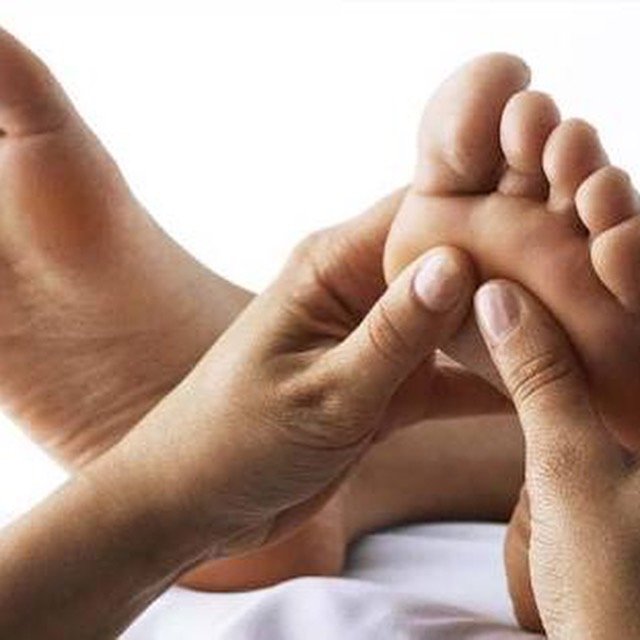
Aftercare Instructions for Permanent Hair Reduction
Aftercare Instructions for Permanent Hair Reduction
Avoid sun exposure: Protect the treated area from direct sun exposure for at least 48 hours after the treatment. If you need to be outdoors, cover the area with clothing or use a broad-spectrum sunscreen with a high SPF (30 or above). Sun exposure can increase the risk of pigmentation changes and skin damage.
Do not pluck or wax: Avoid plucking, waxing, or using any other hair removal methods that remove the hair from the root in the treated area. These methods interfere with the hair follicles' growth cycle, which may affect the effectiveness of the permanent hair reduction treatment.
Shaving is permitted: it is recommended you shave the treated area between sessions. Shave prior to your treatment to ensure we can target the hair root, and not the hair shaft. Shaving removes the hair above the skin's surface without affecting the hair follicles targeted by the treatment. However, avoid shaving immediately before or after a session to prevent skin irritation.
Keep the area clean: Gently cleanse the treated area with a mild, non-irritating cleanser. Avoid using harsh soaps or cleansers that can irritate the skin. Use clean hands or a clean cotton pad to wash the area, and pat it dry with a soft towel.
Moisture regularly: Keep the treated area moisturized to prevent dryness and maintain skin health. Use a gentle, non-comedogenic moisturizer recommended by your skincare professional. Apply the moisturiser as instructed, usually twice a day or as needed.
Avoid irritants: Refrain from using products that may irritate the treated area, such as perfumes, scented lotions, and harsh chemicals. Stick to gentle, hypoallergenic skincare products to minimize the risk of skin irritation.
Avoid excessive heat: Avoid activities that generate excessive heat or sweating in the treated area, such as hot showers, saunas, steam rooms, or intense physical activities for at least 24 hours after the treatment. Excessive heat can cause skin irritation and potentially interfere with the treatment's effectiveness.
Follow post-treatment instructions: Your skincare professional will provide specific post-treatment instructions based on the type of permanent hair reduction treatment you've undergone. Follow these instructions carefully to ensure optimal results and minimise any potential side effects.
Be patient and consistent: Permanent hair reduction requires multiple sessions over a period of time to achieve the desired results. Be patient and attend all the recommended treatment sessions as scheduled. It's normal to experience some hair regrowth between sessions, but over time, you should notice a reduction in hair density.
Remember to consult with a qualified skincare professional who specialises in permanent hair reduction for personalized advice and recommendations based on your specific needs and skin type.

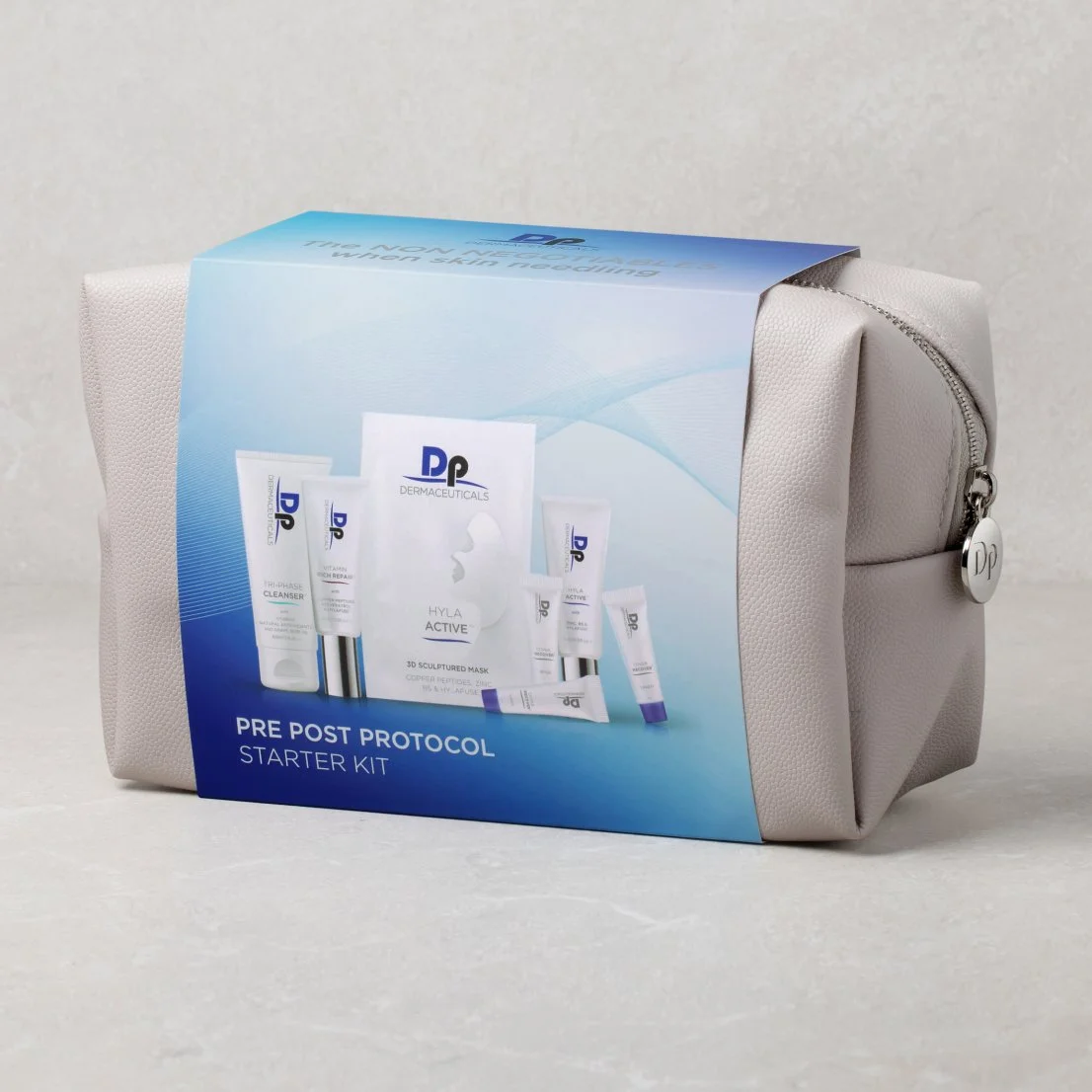
Aftercare Instructions for Dermapen Skin Needling
Aftercare Instructions for Dermapen Skin Needling
Keep the area clean: Gently cleanse the treated area with a mild, non-irritating cleanser. Avoid using harsh soaps or cleansers for at least 24 hours after the treatment. Use clean hands or a clean cotton pad to wash the area. We recommend cleansing with the Dp Tri phase cleanser, 150ml, $63
Avoid touching or scratching: Refrain from touching or scratching the treated area to prevent infection and irritation. Keep your hands away from the area unless you need to apply the recommended post-treatment products.
Apply a soothing gel or serum: After the treatment, your skin may feel sensitive or irritated. Use a soothing gel or serum recommended by your skincare professional to calm and hydrate the treated area. Follow the instructions provided by your skincare professional regarding the application and frequency of use. We recommend Hyla fuse moisturiser from the DP range, 30 ml, $139 for superior hydration.
Protect your skin from the sun: Avoid direct sun exposure to the treated area for at least 48 hours. After that, apply a broad-spectrum sunscreen with a high SPF (30 or above) whenever you go outdoors, even on cloudy days. Sun protection is crucial to prevent pigmentation changes and promote proper healing. We recommend the O cosmetics SPF 50+ which is available in a tinted and untinted formula.
Avoid makeup and other irritants: Refrain from applying makeup or any other potentially irritating products to the treated area for at least 24 hours. If you must wear makeup, use only mineral-based products that are gentle on the skin. Avoid swimming in chlorinated water, saunas, and hot tubs for a few days after the treatment. Our go to make range is the 1skin mineral foundation or the cover recover from Dp.
Avoid intense physical activities: Avoid activities that may cause excessive sweating or heat to the treated area for at least 24 hours after the procedure. Intense physical activities can irritate the skin and increase the risk of infection.
Moisturise regularly: Keep the treated area moisturised to promote healing and prevent dryness. Use a gentle, non-comedogenic moisturiser recommended by your skincare professional. Apply the moisturiser as instructed, usually twice a day or as needed. We recommend the Dp range of hydrators
Follow post-treatment instructions: If you have any questions or concerns, don't hesitate to contact your skincare professional.
Be patient: Results from dermapen skin needling take time and multiple sessions. It's normal for your skin to experience some redness, mild swelling, or sensitivity immediately after the treatment. These effects usually subside within a few hours to a few days. Give your skin time to heal and avoid expecting immediate drastic changes.
Remember, the information provided here is a general guideline. It's essential to consult with your qualified skincare professional who can provide personalised advice and recommendations based on your specific skin type and condition.
Ginger & Me The science behind it
The Exclusive Science
An industry first, NEUROCOSMEDICS is designed to target an emerging science in skin aging known in the professional beauty and dermatology world as neuro-aging and inflammaging. This acknowledged but rarely addressed science is based on the latest research on the skin-brain connection and focuses primarily on the effects of internal and external stress and the profound impact it has on the way skin responds, reacts, and consequentially ages at a much faster rate than we’ve ever understood.
It is widely known and understood that the external environment: UV and pollution, damages the structure and appearance of skin, leading to obvious signs of premature aging visibly presenting as hyper-pigmentation, lines, wrinkles, loss of volume and structure as well as thinning skin that appears inflamed, sensitive and shows dilated capillaries. What is often not understood, however, are the elements that contribute to this breakdown in the skins structure and appearance.
When the skin experiences stress from the environment it sends stress signals to the brain that initiate a protective, inflammatory response in the body. However, an overstimulation of this response forces the skin to work in overdrive and, with more stress than the skins immune system is equipped to deal with, the skin fails to keep up with the level of repair necessary and begins to breakdown at an alarming rate, known now as inflammaging: aging induced by chronic underlying inflammation.
In a modern world, the impacts of stress don’t end there… Add to this the stress the body and mind experience daily – the pressure of expectation, obligation, and the inability to unplug, and it can be said the body is just as overwhelmed by stress as the skin. This overdrive of stress triggers internal responses leading to poor sleep, compromised gut health and an array of mental health conditions, as well as the early onset aging of nerve cells known as neuro-aging.
Neuro-aging occurs when the nerve cells in skin that are responsible for directly communicating with the precious cells that produce collagen and elastin (fibroblasts) begin to send toxic messengers that render the fibroblast inactive.
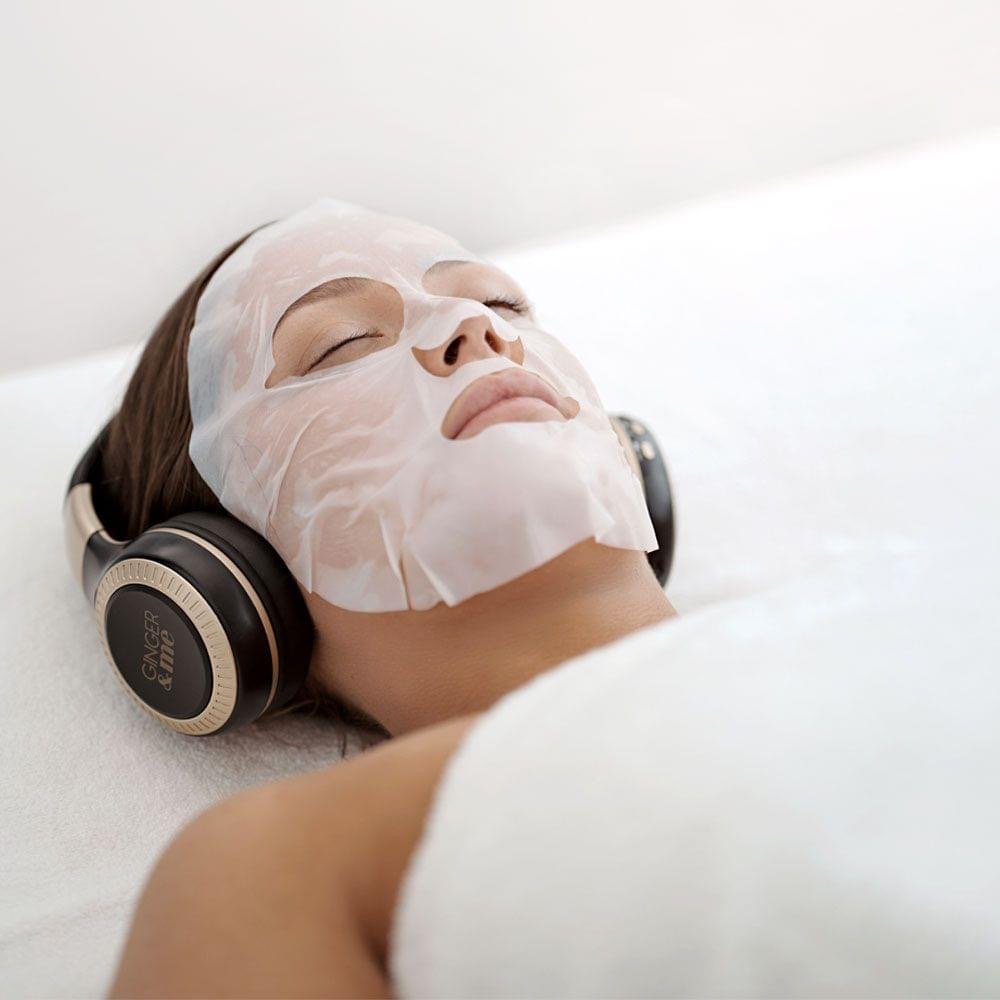
Exosomes the breakthrough technology being used in skin needling
By now you would have started to hear about Exosomes, the new skin needling infusion, revolutionising skin needling.
This is groundbreaking technology!
Exosomes are infusions we can now add into skin needling, they contain biomolecules including proteins, growth factors, lipids and nucleic acids such as messenger-RNA, (mRNA) and micro-RNA (miRNA). They act as messengers from stem cells to other cells.
One way to imagine Exosomes at work is to think of them as little envelopes of regeneration from cell to cell.
Exosomes have enormous benefits for the skin.
1. Enhanced Healing: Exosomes contain helpful messages that encourage your skin cells to heal faster and better after the needling process, leading to improved recovery and reduced downtime.
2. Collagen Production: Exosomes can stimulate your skin cells to produce more collagen, a protein that gives your skin its strength and elasticity. This can result in firmer and smoother skin over time.
3. Anti-Aging Effects: The boost in collagen and other skin-building components delivered by exosomes can help reduce the appearance of fine lines, wrinkles, and other signs of aging, making your skin look more youthful.
4. Even Skin Tone: Exosomes can aid in regulating pigmentation and minimising dark spots, promoting a more even and radiant skin tone.
5. Reduced Scarring: Exosomes can contribute to minimising the appearance of scars by encouraging the skin to heal more evenly and effectively.
6. Overall Skin Health: By providing essential messages to your skin cells, exosomes can support the overall health of your skin, making it look and feel healthier and more vibrant.
Remember, the benefits may vary from person to person, but exosomes can play a helpful role in enhancing the effects of skin needling for a more rejuvenated and youthful complexion.
We are one of the first clinic’s in Perth to offer this treatment.
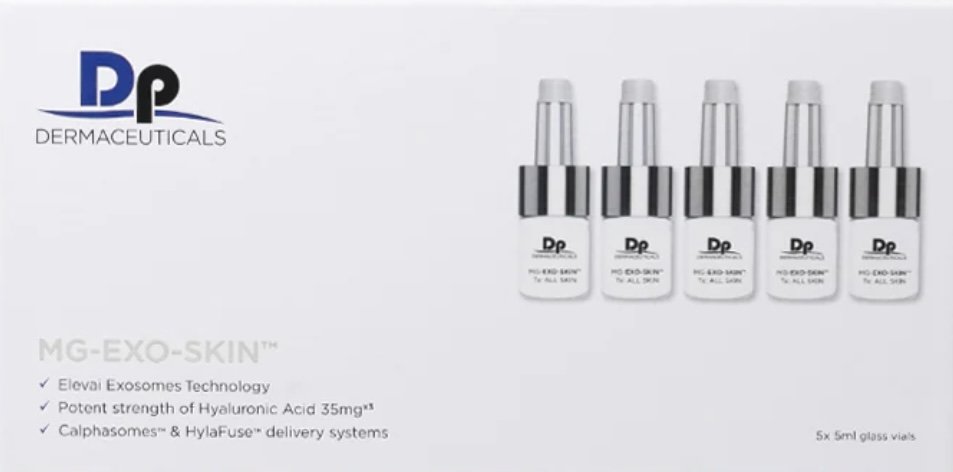
Skin needling
If you’ve been worried about getting skin needling maybe this post needling pic will reassure you that it’s not the horror you imagine.
#skinneedling is one of the best treatments you could possibly get to rejuvenate your skin, diminish those fine lines and #wrinkles. It’s also a great treatment for #scarring, #acne & #pigmentation.
You can treat your whole face, neck and décolletage. In fact any area can be treated.
It increases your #collagen production and the skins #elasticity.
I’m a certified #skinneedling technician and a master skin needler who has trained many times with the worlds leading skin needling teacher @drandrewrchristie.
We only use the very best quality products from Dermapen & O Cosmedics, who have developed a range of products specifically to enhance your results.
For instance in this particular case we infused the skin with the following:
1. Dp Dermaceuticals HYLA ACTIVE™ this is a wonder serum that reduces the appearance of fine lines and pores for a flawless finish, while also diffusing the appearance of redness and inflammation. It contains the highest concentration of our revolutionary HylaFuse™ Technology to deliver Hyaluronic Acid (HA) to optimal skin levels.
2. Brite Lite this is your helping hand in fighting pigmentation. A potent skin brightening and lightening serum, it contains natural ingredients like kojic acid and licorice root, which regulate and reduce pigmentation.
3. VITAMIN RICH REPAIR™ Enriched with essential daily vitamins (A, B, C, E), peptides and antioxidants, Dp Dermaceuticals™ helps repair and strengthen your skin, it will diffuse and sedate the effects of free radical aggression for younger-looking skin.
4. HYLA ACTIVE™ 3D SCULPTURED MASK for its potent hydrating and healing properties. Featuring an intensive dose of HylaFuse™ Complex—our signature Hyaluronic Acid formulation—your skin emerges feeling revitalised.
5. Cover Recover, from Dp Dermaceuticals is a healing cream, a full spectrum SPF 30 sunscreen, and a post-procedure cover up.
At Sole Revival Skin & Body Clinic we have learned to choose the serums and products to target your particular skin concerns. Customisation makes all the difference.
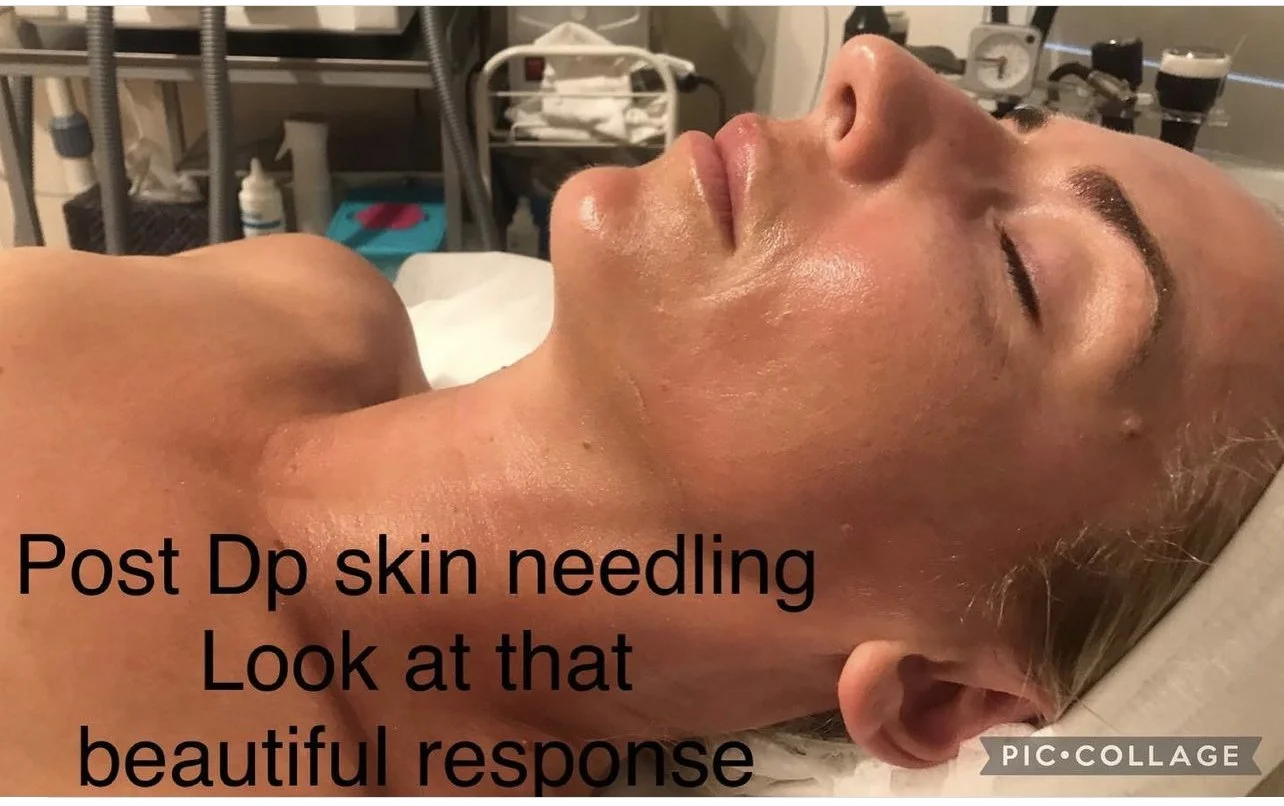
O Cosmedics Product Price List
O Cosmedics Product price List
Nourishing Cleansing Balm
100g $60.00
Gentle Antioxidant Cleanser
100ml $59.00
Corrective Cleanser & Peel
130ml $59.00
Micellar Treatment Gel
130ml $42.00
The Skin Shammy
1 Item $22.00
O-Sonic Cleansing Brush
1 Item $105.00
Multi-Functional Peel
30ml $72.00
Exfoliating Cleanser
100ml $66.00
3 In 1 Fruit Peel Mask
50ml $66.00
3D Hyaluronic Serum
30ml $92.00
Pure Age Defiance Serum
30ml $97.00
Pure C + BHA
15gm $66.00
Vitamin C Hemp Seed Oil
30ml $123.00
Concentrated Brightening Serum
30ml $107.00
Repair Serum
30ml $97.00
Potent Clearing Serum
30ml $97.00
Potent Retinol Serum 0.5%
30ml $97.00
Retinol Concentrate 1%
30ml $107.00
Retinoic Oil
30ml $133.00
B3 Plus
30ml $125.00
EGF Booster
30ml $133.00
O Skin-Inject Derma Roller
0.25mm $79.95
Eye Correct
15ml $97.00
Eye Fusion
16ml $133.00
No Baggage Native Collagen Eye Masks
5 Masks $62.00
O EFA's Max Complex
100 Caps $42.00
Immortal Cream
50g $107.00
Recovery Cream
50g $107.00
Rebalancing Cream
50g $87.00
Comfort Cream
50g $114.00
Youth Activating Oil-Balm
30g $97.00
Hydra Plus Sleep-In Mask
75ml $67.00
V8 Peptide Sheet Mask pack of 5
5 Masks $79.00
Medi-Soothe
200ml $62.00
Medi-Soothe Travel Size
30ml $12.99
Medi-Soothe Mist Spray
150ml $59.90
Mineral Pro SPF 30
75g $52.00
Mineral Pro SPF 30 Tinted
75g $52.00
Mineral Pro SPF 50
75g $59.90
Mineral Pro SPF 50 Tinted
75g $59.90
O-Biome Hydrating & Setting Spray 50ml $57.00
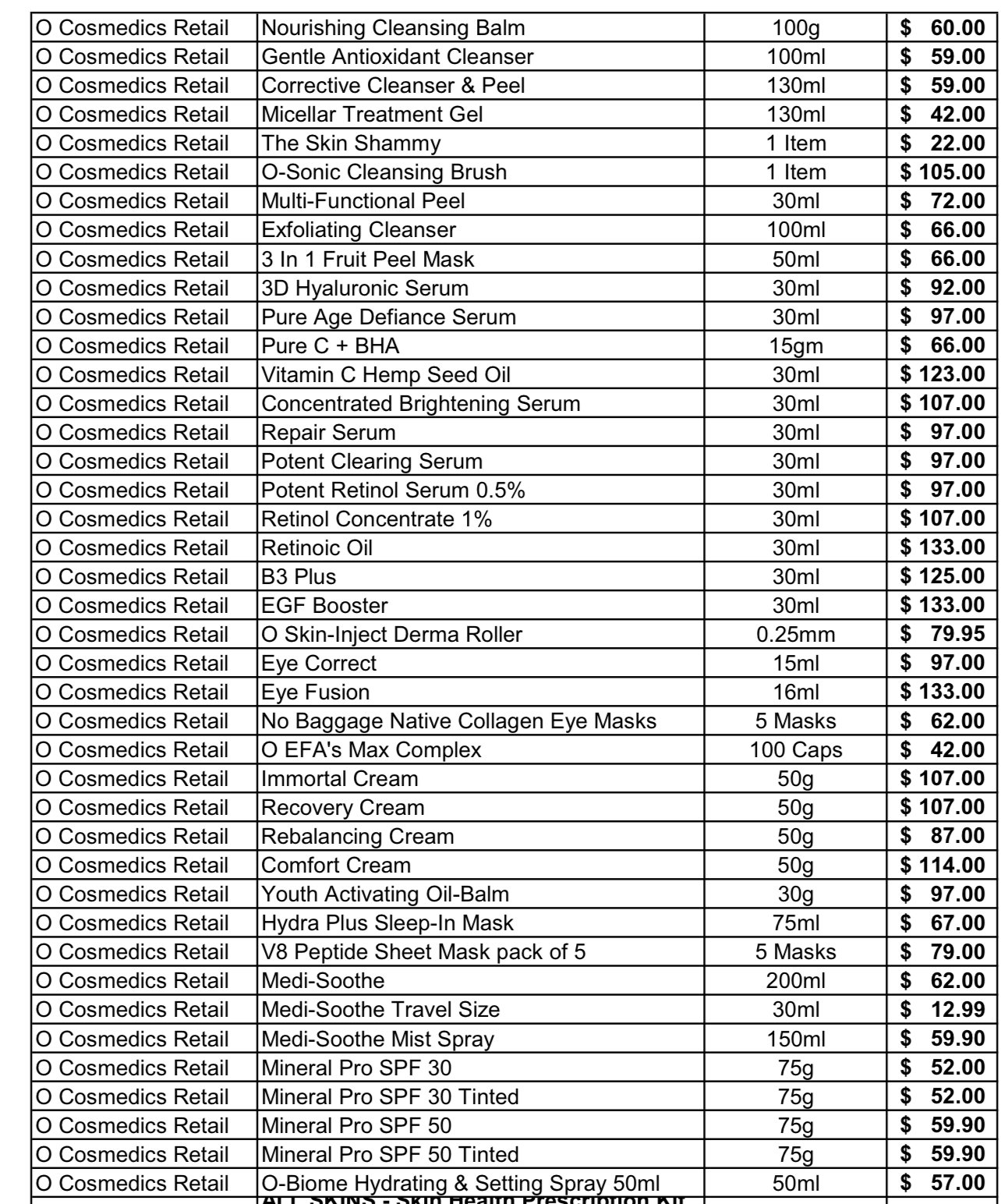
You may want to message us to check the product you want is in stock
Exosomes: The Tiny Messengers for Beautiful Skin
Exosomes: The Tiny Messengers for Beautiful Skin
Introduction: In the quest for youthful and radiant skin, various skincare techniques and treatments have emerged over the years. One such promising innovation is the use of exosomes in skin needling.
Exosomes are tiny vesicles naturally produced by our cells that play a vital role in cell communication. In this blog, we will explore what exosomes are, how they work, and the benefits they can provide to individuals seeking skin rejuvenation through the use of exosome-enhanced skin needling.
What are Exosomes? Exosomes are extracellular vesicles, tiny membrane-bound particles that are naturally secreted by cells in our body. These microscopic messengers contain proteins, lipids, RNA, and other bioactive molecules. They serve as a means of communication between cells, facilitating the transfer of biological information from one cell to another. Exosomes are involved in various physiological processes, including tissue repair, immune response modulation, and cell regeneration.
How do Exosomes Work in Skin Needling? Skin needling, also known as microneedling, is a popular cosmetic procedure that involves creating controlled micro-injuries to the skin using fine needles. This process stimulates collagen production and enhances the absorption of topical skincare products. Exosomes can be introduced into the skin during the needling process to amplify the benefits.
When exosomes are applied to the skin, they penetrate the upper layers and interact with the skin cells. These tiny messengers transfer their cargo of growth factors, cytokines, and other signaling molecules to the neighboring cells. This communication triggers a cascade of events, promoting collagen synthesis, improving skin elasticity, and stimulating tissue regeneration. Essentially, exosomes act as cellular rejuvenators, aiding in the revitalisation and repair of damaged skin.
Benefits of Exosome-enhanced Skin Needling:
Enhanced Skin Rejuvenation: Exosomes play a crucial role in the regeneration and repair of tissues. By promoting collagen production and stimulating cellular activity, exosome-enhanced skin needling can help improve skin texture, reduce the appearance of wrinkles, and scarring, to restore a youthful glow to the skin.
Increased Absorption of Nutrients: Exosomes enhance the absorption of active ingredients in skincare products. When combined with skin needling, they facilitate the delivery of essential nutrients, antioxidants, and peptides deep into the skin. This allows for better penetration and utilisation of these beneficial substances, maximising their efficacy.
Accelerated Healing and Recovery: Exosomes have been found to possess anti-inflammatory properties and support wound healing processes. When incorporated into skin needling, exosomes can aid in the healing of microneedling-induced micro-injuries, minimizing downtime and promoting faster recovery.
Safe and Natural: Exosomes are derived from natural sources, typically harvested from mesenchymal stem cells or other cells with regenerative properties. As they are sourced ethically and Exosome-enhanced skin needling is considered safe with minimal risk of adverse reactions.
Conclusion: Exosomes offer an exciting new avenue for enhancing the results of skin needling treatments. Their ability to communicate with cells and stimulate natural regenerative processes makes them a powerful tool in skin rejuvenation. By harnessing the potential of exosomes, individuals can experience improved skin texture, reduced signs of aging, and a radiant complexion.
Using exosomes in skin needling can offer several cost benefits to individuals seeking skin rejuvenation.
Let's explore some of these advantages:
Increased Treatment Efficiency: Incorporating exosomes into skin needling can enhance the effectiveness of the procedure. By delivering growth factors, cytokines, and other bioactive molecules directly to the skin cells, exosomes stimulate collagen production and tissue repair more efficiently. This means you may require fewer treatment sessions to achieve the desired results, reducing both the time and cost associated with multiple visits.
Longer Lasting Results: Exosomes promote long-term skin improvement by stimulating the regeneration of collagen and elastin fibers. This leads to enhanced skin elasticity and a reduction in fine lines and wrinkles. With improved skin quality, the results of exosome-enhanced skin needling tend to be longer lasting compared to traditional treatments. This can save you money in the long run as you may not need to undergo treatments as frequently to maintain the desired outcomes.
Enhanced Absorption of Skincare Products: Exosomes not only improve the effectiveness of skin needling but also enhance the absorption of topical skincare products. When used in conjunction with exosome-enhanced skin needling, your skin becomes more receptive to the active ingredients in serums, creams, and other skincare formulations. This means you can derive greater benefits from your existing skincare routine.
Minimised Downtime and Side Effects: Exosome-enhanced skin needling is generally well-tolerated and associated with minimal downtime and side effects. Compared to more invasive procedures. Exosome-enhanced skin needling offers a faster recovery period. This means you can return to your regular activities sooner.

Aftercare Instructions for Dermapen Skin Needling
Aftercare Instructions for Dermapen Skin Needling
Prescription: Patient Homecare
AT-HOME ROUTINE
Non Negotiables for this condition
STEP 01: CLEANSE (AM & PM)
The Tri phase cleanser ( AM & PM)
A daily cleanser that has been specifically formulated to clear the appearance of problematic skin conditions, such as acne.
Option B. Spritz cleanse with CLINIPREP
Providing ultimate antimicrobial skin cleansing, utilising latest hypochlorous technology, this formula is pH neutral, dermatologically tested, and contains no alcohol or fragrances.
STEP 02: CORRECT (AM & PM)
VITAMIN RICH REPAIR(AM)
Corrective emulsion, which further promotes repair, re-building and resilience.
RETINAL ACTIVE (PM)
Potent corrective with retinaldehyde and copper peptides to regulate cell
quality without irriation or sensitivity.
STEP 03: SERUM/ENHANCER OPTION (AM & PM) *THIS IS AN UPGRADE OPTION:
Corrective serum containing Exosomes, which is shown to promote regulated
wound healing, boost the synthesis of collagen and elastin.
Performance Ingredients:
Exosomes, Hyaluronic Acid, Vitamin C Tetrate, Vitamin B3, Vitamin B5, Poly-Peptides, Ceramide, Pro-Ceramide Complex.
For ultimate results, use EXO-SKIN at home twice daily.
STEP 04: MOISTURISE (AM & PM)
SKIN VENEER (all skin)
Inspired by the composition of the skin’s natural barrier function, this intense moisturiser can be used to hydrate dry to very dry skin, while protecting against harsh environmental conditions.
STEP 05: PROTECT (AM)
COVER RECOVER
A daily broadspectrum SPF30/PA+++ camouflage and skin protectant that blocks exposure to harmful ultra-violet rays. The tinted and clear formula options allow for easy application and re-application during the day.
WEEKLY TREAT (OR AS REQUIRED)
MICRO DERM EXFOLIANT
After cleansing with TRI PHASE CLEANSER OR CLINI PREP, exfoliate with MICRO DERM EXFOLIANT, a versatile cleanser and exfoliant in one that rapidly purifies and clarifies to reveal a renewed and healthier-looking skin.
HYLA ACTIVE MASK
Use HylaFuse Complex Hyaluronic Acid (HA)
A triple-weighted Hyaluronic Acid (HA) complex that effortlessly absorbs into the skin to promote maximum hydration moisture infusion and long-lasting comfort.
Zinc
Helps your skin recover faster and stronger after its integrity has been compromised.
Panthenol (Vitamin Pro-B5)
Physically attracts moisture to the skin’s surface and delivers major moisture and nutrients to the deepest layers of the skin.
Copper Peptides
Clinically proven to revitalise aged cells to stimulate refreshed and renewed collagen production.
Option B. RADIANT-C MASK
Loaded with antioxidants including Vitamin C, and mineral-rich organic clays, this professional-strength mask is designed to brighten and restore radiance in lacklustre skin. It visibly improves the appearance of dark spots, blemishes, aged and sun-damaged complexions for a healthy glow.
Performance Ingredients:
Vitamin C, Kaolin Clay, Bentonite Clay, Lactobacillus Ferment Pre-probiotic.
IMPORTANT NOTES TO REMEMBER
Keep the area clean: Gently cleanse the treated area with a mild, non-irritating cleanser. We recommend you only use the Dermaceuticals cleanser that is specifically designed for skin needling. Using any other ranges puts you at risk of having an adverse reaction. If you can not use the products we recommend just use water. Avoid using any harsh soaps or cleansers for at least 24 hours after the treatment. Use clean hands or a clean cotton pad to wash the area.
Avoid touching or scratching: Refrain from touching or scratching the treated area to prevent infection and irritation. Keep your hands away from the area unless you need to apply the recommended post-treatment products.
Apply a soothing gel or serum: After the treatment, your skin may feel sensitive or irritated. Use a soothing gel or serum recommended by your skincare professional to calm and hydrate the treated area. Follow the instructions provided by your skincare professional regarding the application and frequency of use. The serums and gels we recommend would depend on what you are being treated for. For example we would recommend a particular serum for pigmentation and something different for wrinkles.
Protect your skin from the sun: Avoid direct sun exposure to the treated area for at least 48 hours. After that, apply a broad-spectrum sunscreen with a high SPF (30 or above) whenever you go outdoors, even on cloudy days. Sun protection is crucial to prevent pigmentation changes and promote proper healing.
Avoid makeup and other irritants: Refrain from applying makeup or any other potentially irritating products to the treated area for at least 24 hours. If you must wear makeup, use only mineral-based products that are gentle on the skin. Avoid swimming in chlorinated water, saunas, and hot tubs for a few days after the treatment. We use Dermaceuticals cover recover and 1Skin mineral foundation.
Avoid intense physical activities: Avoid activities that may cause excessive sweating or heat to the treated area for at least 24 hours after the procedure. Intense physical activities can irritate the skin and increase the risk of infection.
Moisturise regularly: Keep the treated area moisturised to promote healing and prevent dryness. Use a gentle, non-comedogenic moisturiser recommended by your skincare professional. Apply the moisturiser as instructed, usually twice a day or as needed.
Follow post-treatment instructions: Your skincare professional may provide you with specific post-treatment instructions based on your individual needs. It's important to follow these instructions carefully to ensure optimal healing and results. If you have any questions or concerns, don't hesitate to contact your skincare professional.
Be patient: Results from dermapen skin needling take time and multiple sessions. It's normal for your skin to experience some redness, mild swelling, or sensitivity immediately after the treatment. These effects usually subside within a few hours to a few days. Give your skin time to heal and avoid expecting immediate drastic changes.
*Remember, the information provided here is a general guideline.
It's essential to consult with a qualified skincare professional who can provide personalised advice and recommendations based on your specific skin type and condition.
Needling Skin kits we recommend
Pre Post Protocol Starter Kit: Tri-Phase Cleanser 60ml, Vitamin Rich Repair 15ml, Hyla Active 15ml, Hyla Active 3D Mask, Cover Recover Sheer, Beige and Tawny 3ml $175.0
Brightening Starter Kit: Micro Derm Exfoliant 60ml, Antioxidant Cocktail 15ml, Brite Lite 15ml, Brite Lite 3D Mask, Cover Recover Sheer, Beige and Tawny 3ml $175.00
Problematic Skin Starter Kit: CLR Foam Cleanser 60ml, CLR Serum 15ml, Brite Lite 15ml, Brite Lite 3D Mask, Cover Recover Sheer, Beige and Tawny 3ml $175.00
Anti Ageing Starter Kit: Tri-Phase Cleanser 60ml, Antioxidant Cocktail 15ml, Vitamin Rich Repair 15ml, Retinal Active 15ml, Hyla Active 3D Mask, Cover Recover Sheer, Beige and Tawny 3m $199.00
