
Reflexology and Kidney Support
Reflexology and Kidney Support
Reflexology works through neuro-reflex pathways between the feet and internal organs.
1. Kidney and Urinary Reflex Zones
The kidney reflex point sits in the central arch of the foot, connected to:
• ureter reflex
• bladder reflex
Stimulating these zones may:
• encourage urinary flow
• support detox pathways
• stimulate renal circulation via reflex neural pathways.
2. Nervous System Regulation
Reflexology strongly activates the parasympathetic nervous system, which can:
• reduce blood pressure
• lower stress hormones
• improve sleep
All of these factors are crucial in slowing CKD progression.
3. Circulation and Fluid Balance
Gentle rhythmic reflexology techniques can:
• stimulate peripheral circulation
• encourage lymphatic return
• reduce oedema in some clients.
4. Pain and Fatigue Management
CKD often comes with:
• fatigue
• muscular discomfort
• restless sleep.
Reflexology can help improve energy regulation and sleep quality, which improves resilience.
When These Therapies Are Most Helpful
They tend to be most supportive for CKD clients who experience:
• high stress levels
• digestive congestion
• poor circulation
• fluid retention
• sleep disturbances.
They can also be valuable between medical treatments to maintain wellbeing.
Important Safety Considerations
For clients with kidney disease:
• Pressure must be gentle to moderate.
• Avoid overly detoxifying protocols.
• Monitor blood pressure and fatigue levels.
• Ensure good hydration unless medically restricted.
If someone is on dialysis or advanced-stage CKD, treatments should be shorter and more restorative.
Clinically Interesting Overlap
There is a fascinating overlap between:
• abdominal fascial tension
• diaphragm restriction
• kidney circulation
• vagus nerve regulation.
Both Chi Nei Tsang and Reflexology influence this axis, which may explain why many clients report improvements in:
• digestion
• sleep
• fluid balance
• stress tolerance.
The Diaphragm–Kidney–Fascia Connection
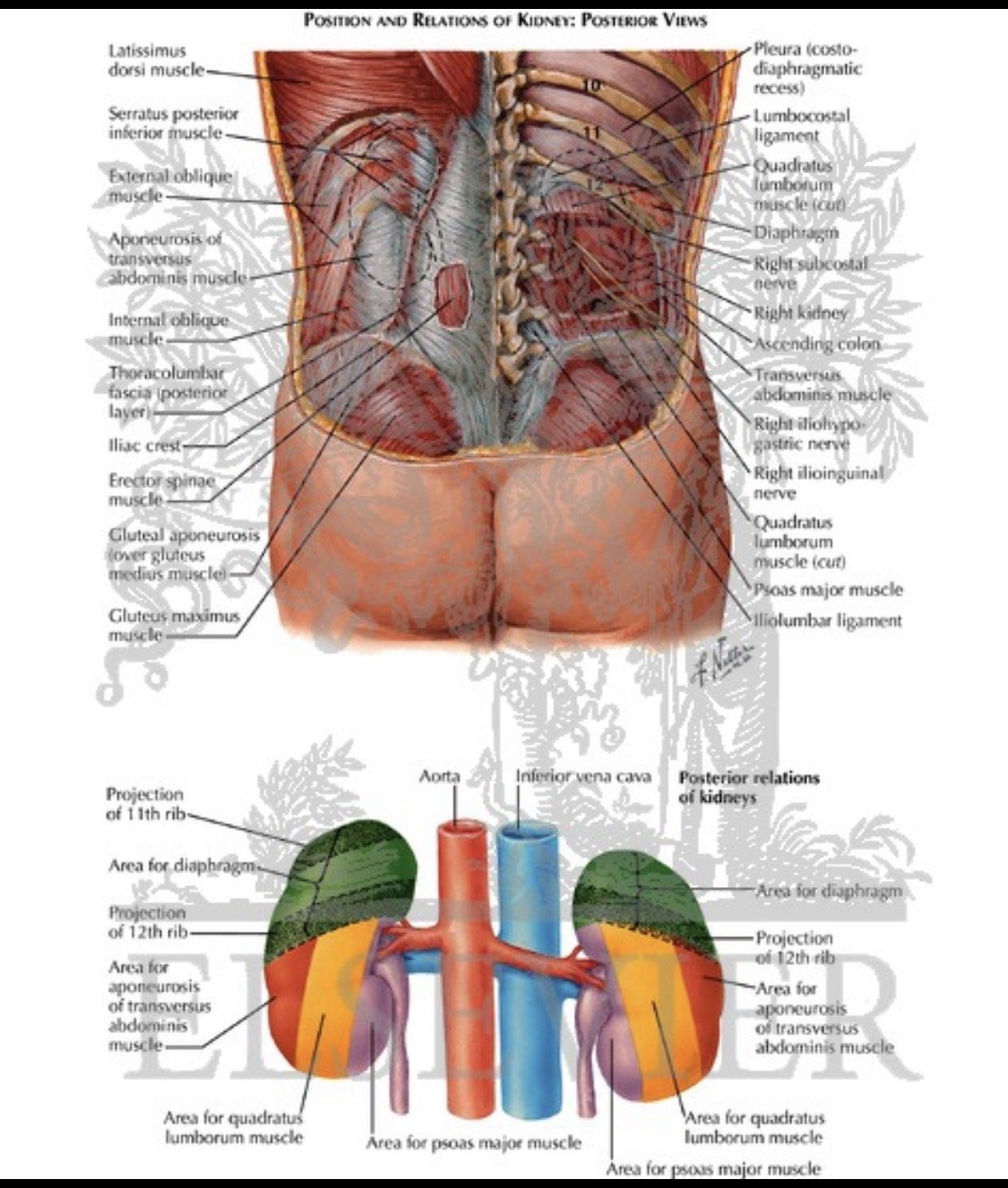
The kidneys sit just under the diaphragm around T12–L3, suspended within the renal fascia and influenced by breathing mechanics.
Every breath:
• the diaphragm descends
• abdominal pressure changes
• the kidneys subtly move 2–4 cm
This movement helps:
• pump renal blood flow
• assist lymphatic drainage
• support venous return
When the diaphragm becomes restricted due to stress, shallow breathing, or abdominal tension:
• kidney mobility reduces
• renal circulation may decrease
• lymphatic drainage slows.
This is why therapies that restore diaphragmatic movement can indirectly support kidney function.
2. Why the Diaphragm Reflex in the Foot Matters
The diaphragm reflex line runs across the ball of the foot.
In practice, releasing this area often produces:
• deeper breathing
• parasympathetic activation
• improved abdominal circulation
For kidney support, this is important because the diaphragm:
• pumps blood through the renal arteries
• supports lymphatic drainage
• reduces sympathetic nervous system dominance.
Many practitioners notice that when this line softens, the kidney reflex point becomes less tender.
3. The Medial Heel and Psoas Link
Another overlooked area is the medial heel.
Energetically and structurally it corresponds to:
• pelvis
• lower spine
• psoas muscle
The psoas attaches near the kidneys and influences their positioning.
When the psoas is chronically tight (very common in stress and sedentary lifestyles):
• it can create tension around the renal fascia
• compress circulation around the kidney area
• affect lumbar nerve supply.
Working the medial heel reflex can therefore help:
• release deep lumbar tension
• improve circulation in the retroperitoneal space
• support kidney reflex responsiveness.
4. The Nervous System Factor
Kidney function is strongly influenced by the autonomic nervous system.
The kidneys receive sympathetic input from:
• T10–L1 spinal segments
Reflexology works through cutaneous nerve stimulation, which can influence these spinal reflex arcs.
When clients enter deep parasympathetic states during treatment:
• blood pressure may drop
• renal perfusion can improve
• inflammation markers may decrease.
This is likely one of the reasons reflexology often improves sleep and fatigue in CKD clients.
5. A Practical Reflexology Sequence for Kidney Support
If supporting someone with long-term kidney disease, a useful treatment flow could be:
1️⃣ Solar plexus reflex – settle the nervous system
2️⃣ Diaphragm line – release breathing restriction
3️⃣ Kidney reflex – gentle stimulation
4️⃣ Ureter reflex – encourage fluid flow
5️⃣ Bladder reflex – support elimination
6️⃣ Medial heel / lumbar spine reflex – release psoas tension
7️⃣ Lymphatic reflexes (top of foot) – encourage drainage
This sequence works systemically rather than just locally, which is usually more effective.
6. Why Chi Nei Tsang Complements Reflexology
Chi Nei Tsang works from the centre outward, while reflexology works from the periphery inward.
Together they:
• restore abdominal mobility
• improve diaphragmatic breathing
• stimulate organ reflex pathways
• regulate the autonomic nervous system
This combination can create a powerful circulation and nervous system reset.
💡 A clinical insight you might appreciate:
Many practitioners treat the kidney reflex intensely, but the biggest shifts often occur after working:
• the diaphragm reflex
• the adrenal reflex
• the lumbar spine / heel reflex
because they address the regulatory systems controlling kidney function.
The adrenal glands sit directly on top of the kidneys, forming a tightly integrated functional unit.
The adrenals regulate:
• cortisol (stress hormone)
• adrenaline and noradrenaline
• aldosterone (fluid and sodium balance)
These hormones directly affect:
• blood pressure
• fluid retention
• kidney filtration
• inflammation levels.
Long-term emotional stress therefore has a direct physiological impact on kidney function.
The Emotion Traditionally Linked to the Kidneys
In traditional East Asian medicine systems, including Traditional Chinese Medicine, the kidneys are associated with the emotion fear.
This does not mean fear damages the kidneys in a simplistic way.
Rather, chronic survival stress activates the fight-or-flight system, which:
• increases adrenaline and cortisol
• constricts blood vessels
• raises blood pressure
• increases inflammatory load.
Over time this can affect kidney function, especially in people already vulnerable.
Modern medicine recognises similar patterns through chronic sympathetic nervous system activation.
The Adrenal Reflex in Reflexology
The adrenal reflex point sits just above the kidney reflex in the foot arch.
When this area is congested or tender, clients often present with symptoms linked to long-term stress:
• fatigue
• poor sleep
• anxiety
• fluid retention
• hormonal imbalance.
Working this reflex gently can help support:
• autonomic nervous system balance
• adrenal regulation
• improved stress resilience.
Many reflexologists observe that once the adrenal reflex softens, the kidney reflex becomes less reactive.
Why Chi Nei Tsang Is So Relevant Here
Chi Nei Tsang works deeply with the solar plexus and abdominal nerve centres, which influence the vagus nerve and autonomic nervous system.
When abdominal tension releases, several things happen:
1. Breathing deepens
2. The diaphragm begins moving freely
3. Vagal tone increases
4. Stress hormones reduce
This shift from sympathetic dominance → parasympathetic regulationsupports the entire kidney–adrenal axis.
A Pattern Seen in Chronic Illness Clients
Many people with chronic disease share a similar physiological pattern:
1. Long periods of stress or emotional pressure
2. Shallow breathing and diaphragm restriction
3. Elevated cortisol and nervous system tension
4. Poor sleep and fatigue
5. Gradual systemic inflammation.
Therapies that calm the nervous system and restore deep breathing and abdominal mobility can therefore have surprisingly broad effects.
Clients with kidney or adrenal stress often show three reflex patterns together:
• tight diaphragm reflex line
• tender adrenal reflex
• tension in the medial heel (lumbar/psoas).
When these three areas release, clients frequently report:
• deeper breathing
• emotional calm
• improved sleep
• better fluid balance.
Chi Nei Tsang (CNT) is a Taoist abdominal organ massage system developed within the Taoist Healing Tao. The abdomen is considered the centre of organ function and emotional processing.
For chronic kidney disease, its support tends to occur through several mechanisms:
1. Improving Circulation to the Kidneys
The kidneys sit deep in the retroperitoneal space, surrounded by fascia and influenced by abdominal pressure.
Gentle abdominal manipulation can:
• Reduce visceral and fascial restrictions
• Improve blood and lymphatic flow
• Support venous drainage from the renal area
Better circulation may help optimise the remaining kidney function.
2. Supporting Lymphatic and Fluid Movement
CKD often involves fluid imbalance and lymphatic stagnation.
CNT techniques around:
• the mesentery
• small intestine
• colon
• lymphatic drainage points
may help move stagnant fluid through improved abdominal pumping and diaphragm function.
3. Stress and Nervous System Regulation
Kidney disease progression is strongly influenced by chronic sympathetic nervous system activation.
CNT encourages:
• parasympathetic activation
• deeper diaphragmatic breathing
• vagal tone improvement
Lower cortisol and improved autonomic balance may indirectly reduce systemic inflammation and blood pressure, both key CKD factors.
4. Emotional Processing
In Taoist medicine the kidneys are linked to fear and survival stress.
CNT sessions often release stored emotional tension in the abdomen, which can reduce chronic stress patterns affecting:
• adrenal function
• blood pressure
• systemic inflammation.